


Grapes Problems
Vitis vinifera / V. labrusca
Grapevines are vigorous, long-lived climbers that need a sturdy trellis, disciplined pruning, and consistent fungal disease management to produce a good harvest. Powdery mildew and bunch rot are the two most common threats through the season.
All Grapes Problems
 ⚠ Moderate
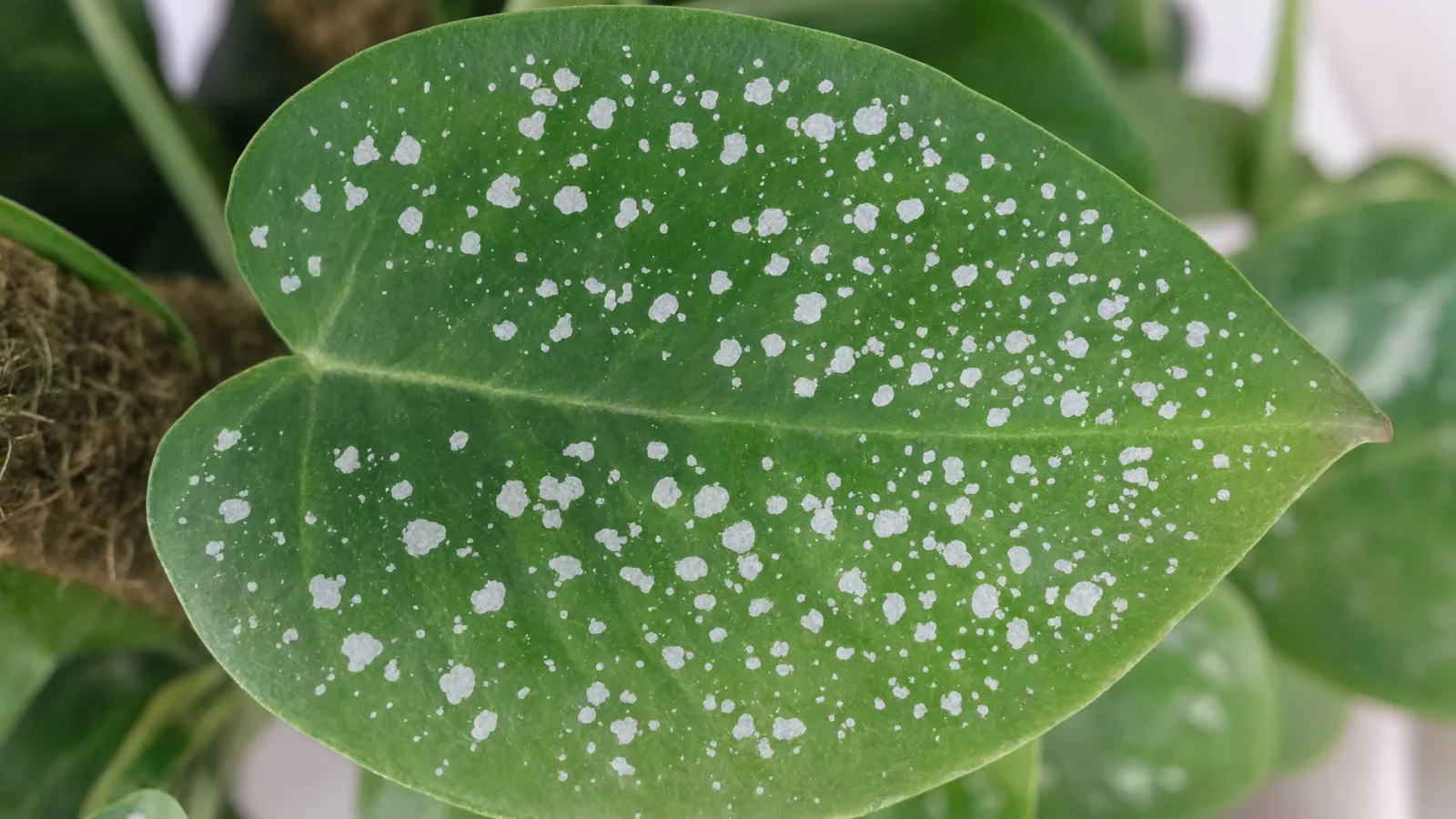
Grapes — Powdery Mildew on Grape Vines
A white to grey powdery coating spreads across leaves, shoots, and berries, causing distorted growth and cracked, scarred fruit skin in severe cases.
⚠ CriticalGrapes — Downy Mildew on Grape Vines
Yellow, oily-looking patches appear on the upper leaf surface, with a white-grey downy growth on the underside directly beneath. Infected berries can shrivel and turn leathery brown.
⚠ CriticalGrapes — Black Rot on Grape Vines
Small tan spots with dark borders appear on leaves, while infected berries shrivel into hard, black, mummified fruit that often remains attached to the cluster.
⚠ CriticalGrapes — Botrytis Bunch Rot on Grapes
A fuzzy grey mould develops on ripening berries, spreading rapidly through tightly-packed clusters, especially after rain near harvest time.
 ⚠ Critical
Grapes — Phylloxera on Grape Vine Roots
The vine declines gradually over several seasons with reduced vigour and smaller fruit clusters, while roots show small yellowish nodules or galls when examined.
⚠ ModerateGrapes — Japanese Beetles on Grape Leaves
Leaves develop a lace-like, skeletonised appearance as the soft tissue between veins is eaten away, sometimes defoliating entire sections of vine during peak beetle activity.
⚠ ModerateGrapes — Grape Berry Moth Damage
Small webbing appears on flower clusters and developing berries, with larvae tunnelling into fruit, causing premature colouring and rot around the entry hole.
⚠ ModerateGrapes — Anthracnose on Grape Vines
Small circular spots with dark borders and pale grey centres appear on leaves, shoots, and berries, sometimes creating a 'bird's eye' pattern on fruit.
 ⚠ Minor
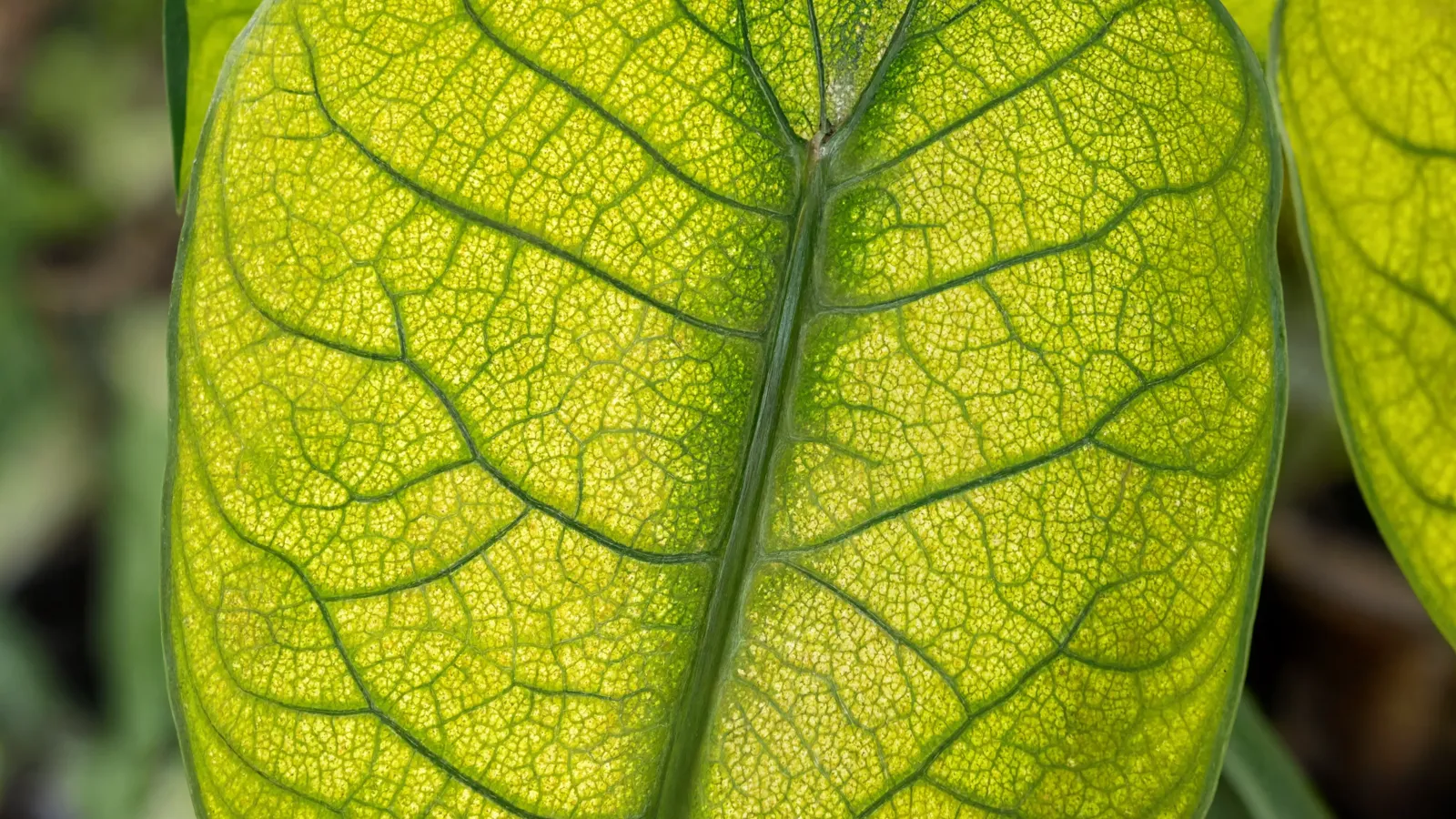
Grapes — Magnesium Deficiency in Grape Vines
Yellowing appears between leaf veins on older leaves, starting at the base of the shoot and progressing toward the tip as the season advances.
⚠ MinorGrapes — Potassium Deficiency in Grape Vines
Leaf margins develop a scorched, curled brown edge while the leaf centre stays green, and fruit ripening and sugar development can be affected.
 ⚠ Minor
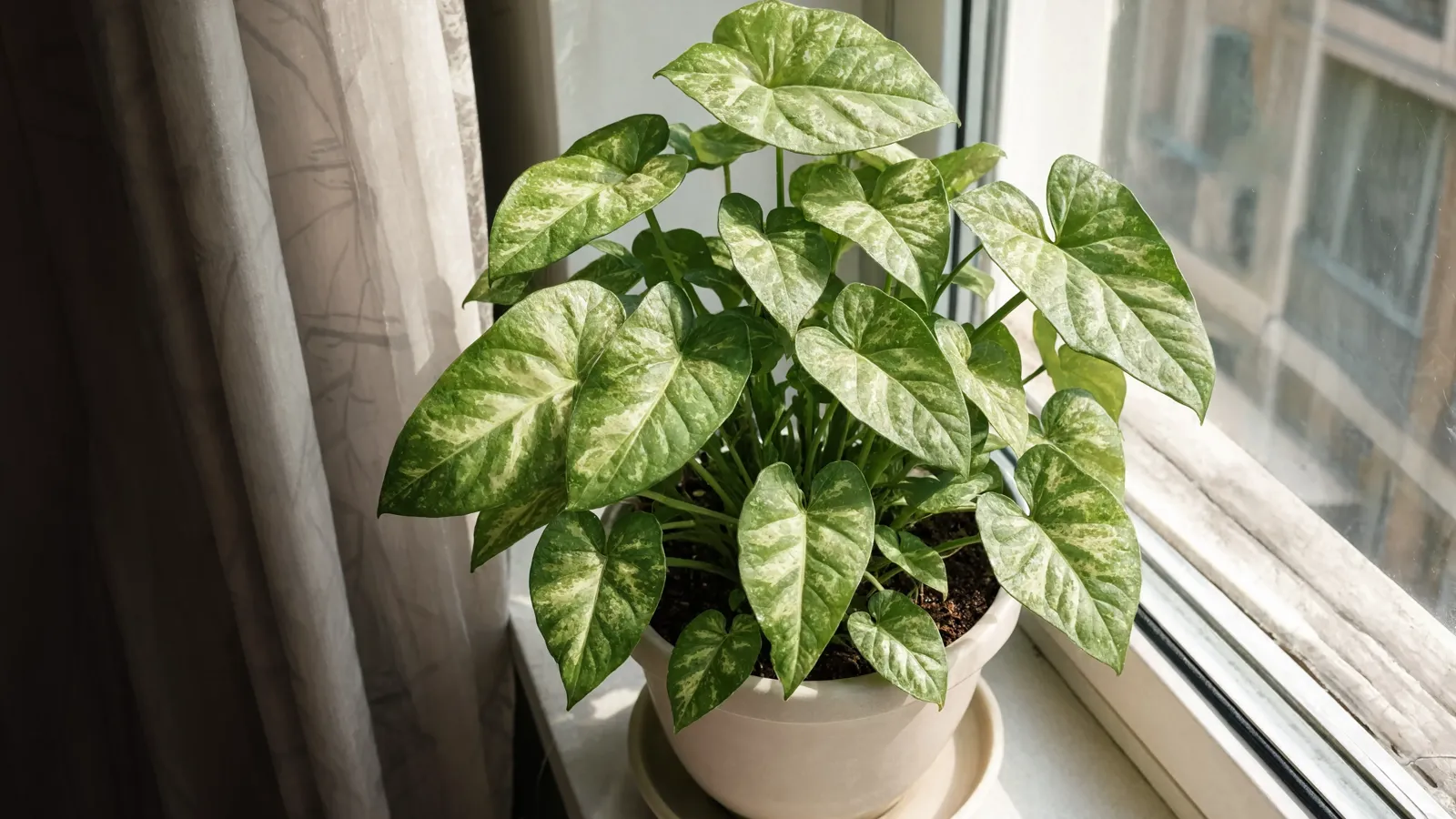
Grapes — Sunburn on Grape Berries
Berries develop a bleached, brown, or leathery patch on the sun-facing side, especially after sudden leaf removal exposing previously shaded clusters.
 ⚠ Moderate
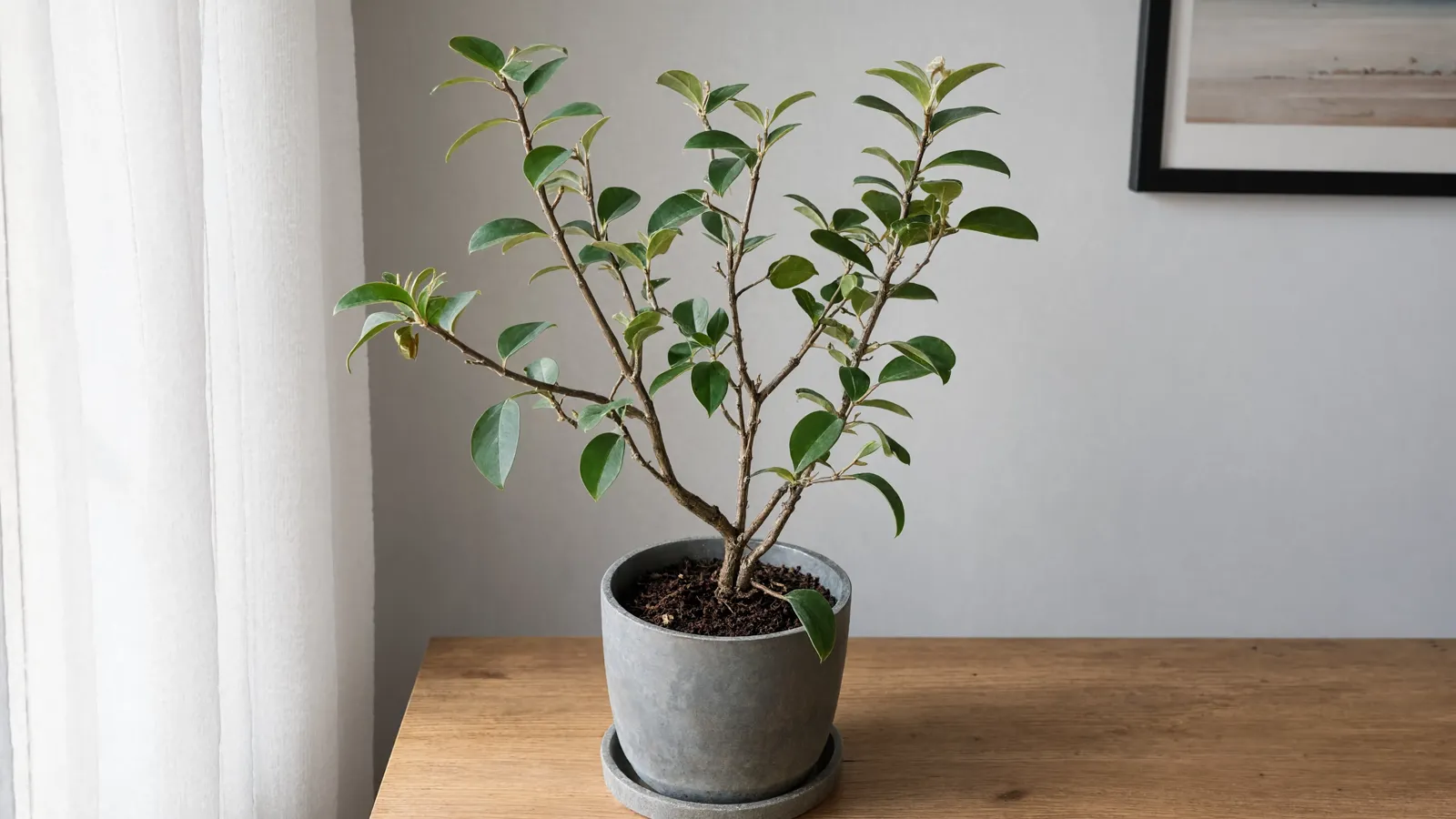
Grapes — Poor Fruit Set and Shatter on Grapevines
Many flowers fail to develop into berries, leaving unusually loose, sparse clusters with far fewer grapes than expected.
⚠ ModerateGrapes — Bird Damage to Ripening Grapes
Birds peck and consume ripening berries, sometimes destroying entire clusters just as fruit reaches peak ripeness.
⚠ MinorGrapes — Splitting Grape Berries
Cracks appear in the berry skin, especially after rain following a dry period, sometimes leading to secondary rot in the split fruit.
⚠ MinorGrapes — Leafhoppers on Grape Vines
Fine white-yellow stippling spreads across leaves, sometimes with small white insects visible flying up when the vine is disturbed.
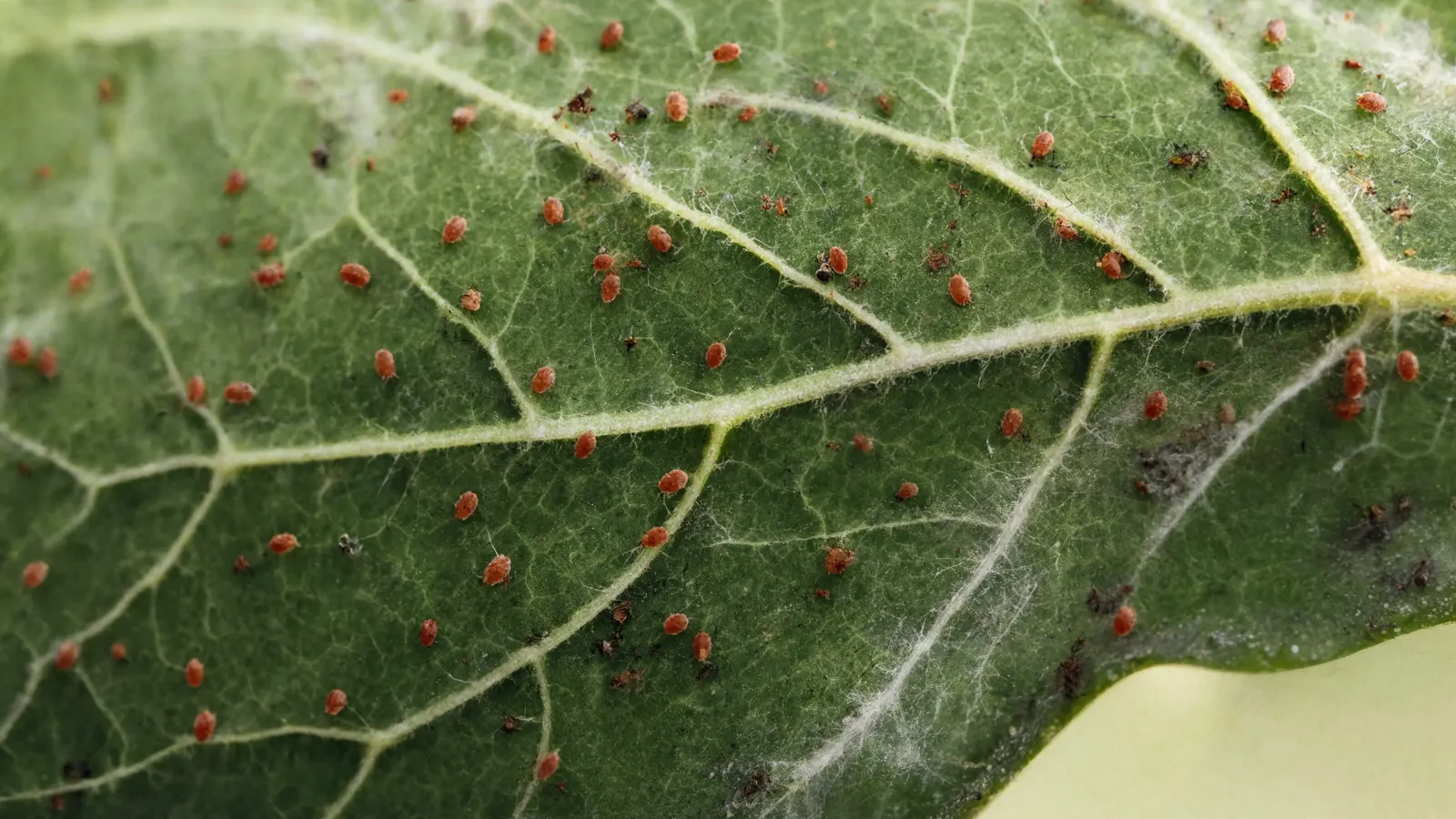
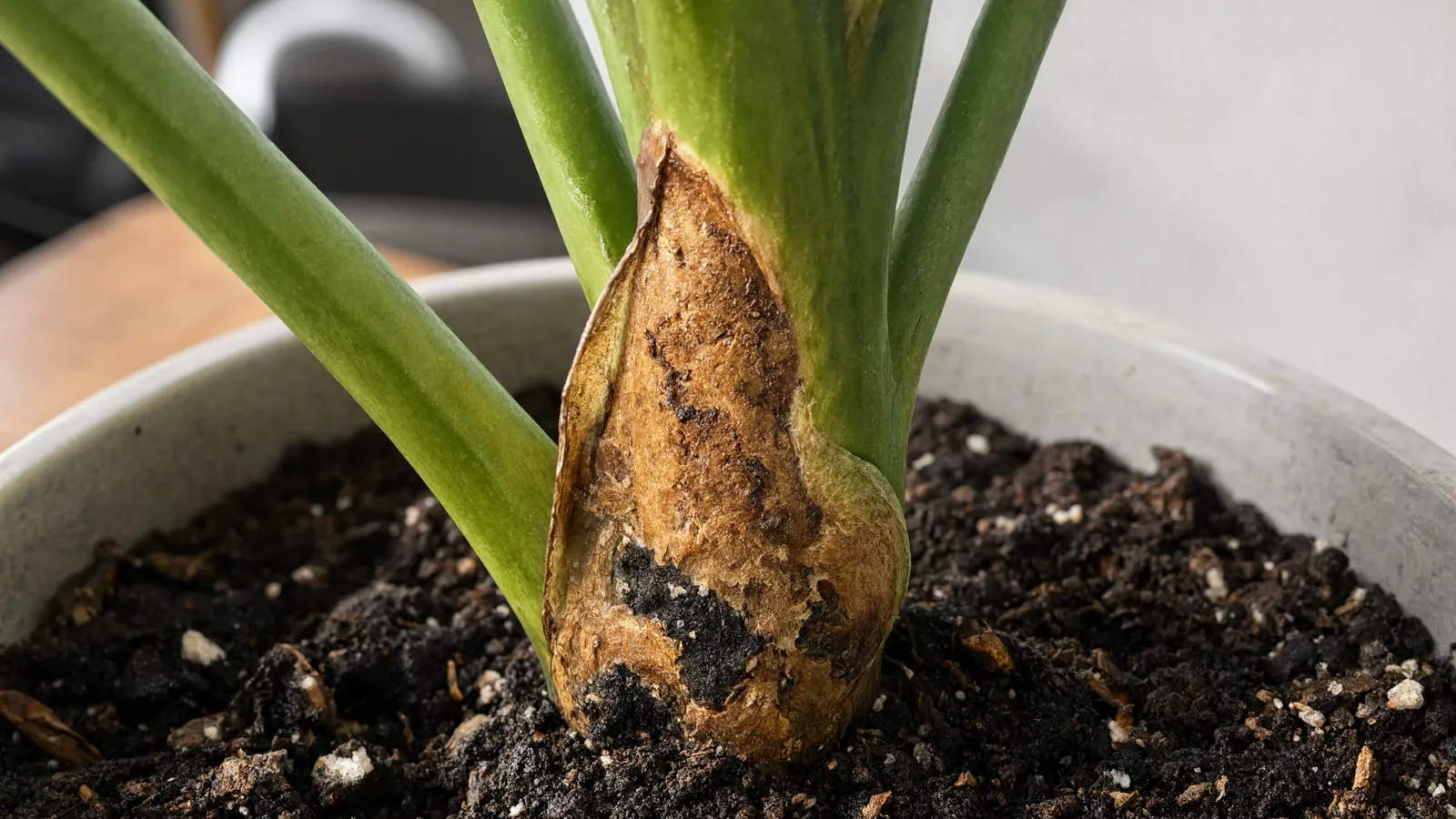
⚠ ModerateGrapes — Spider Mites on Grape Leaves
Fine yellow-bronze stippling spreads across leaves, with fine webbing visible in heavier infestations during hot, dry weather.
 ⚠ Moderate
Grapes — Winter Cold Damage to Grape Buds
Buds fail to break in spring or produce weak, stunted shoots, with dead, blackened tissue visible when a damaged bud is cut open.
⚠ MinorGrapes — Excessive Vine Growth But Poor Fruiting
The vine produces vigorous, leafy growth covering the trellis, but flower and fruit production is disappointing relative to the vine's size.
 ⚠ Critical
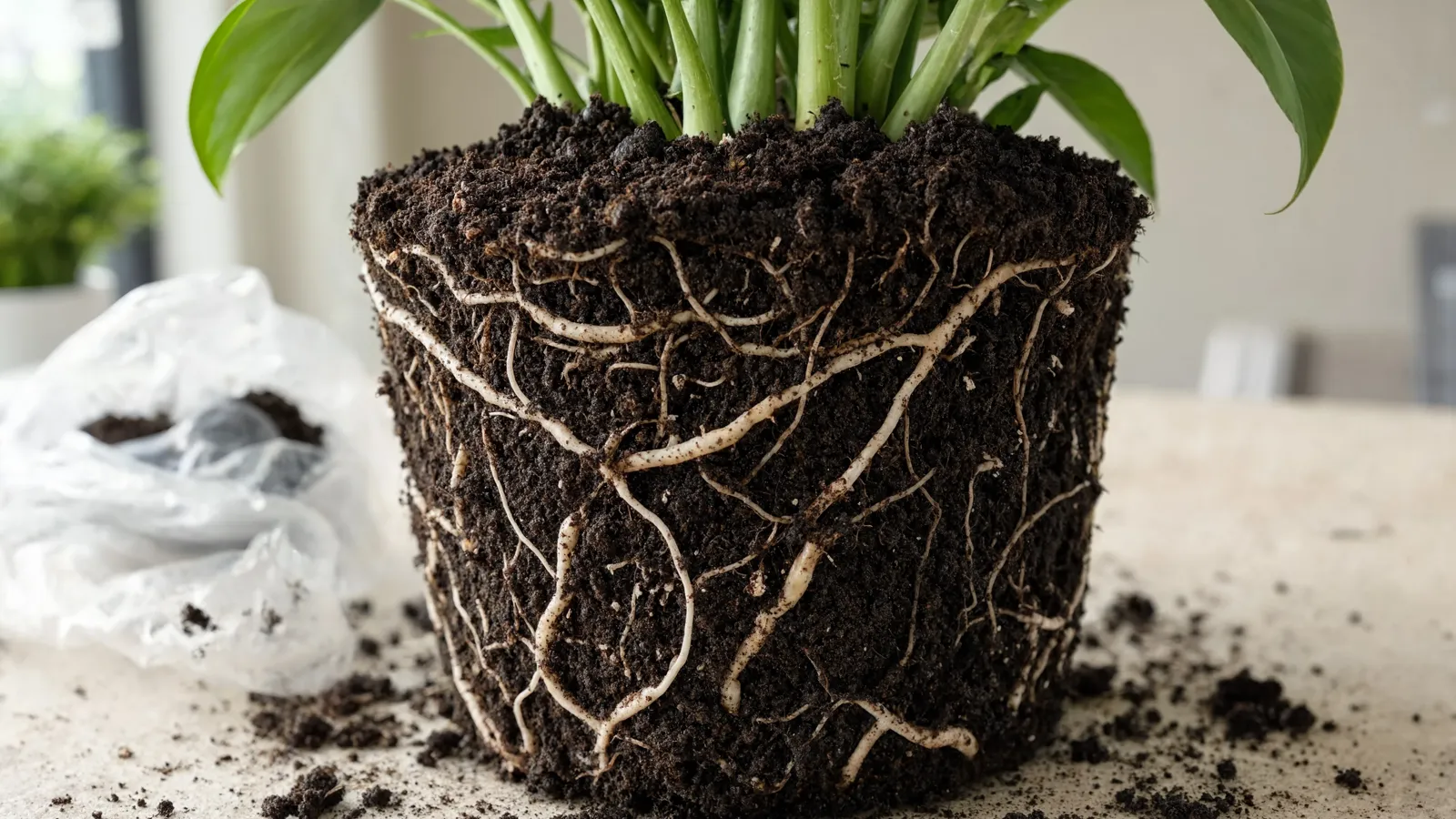
Grapes — Root Rot in Grape Vines
The vine declines and wilts despite adequate rainfall or irrigation, with roots appearing brown and mushy rather than firm when examined.
⚠ MinorGrapes — Iron Chlorosis in Alkaline Soil
New leaves turn yellow with distinctly green veins, an interveinal chlorosis pattern most pronounced in vines grown in alkaline or heavily limed soil.
⚠ ModerateGrapes — Crown Gall on Grape Vines
Rough, irregular, woody galls form at the base of the trunk or on roots, sometimes girdling and weakening the vine over time.
Grapes Care Guide
Light, watering, humidity, fertilising, repotting and propagation — everything you need to keep your Grapes thriving.
Full care guide →See how growers fixed these problems
Browse real Grapes grow diaries from the community — treatments, timelines, and results.
Browse community diaries →Common Grapes Questions
Why are my grape leaves covered in white powder?
A white to grey powdery coating spreads across leaves, shoots, and berries, causing distorted growth and cracked, scarred fruit skin in severe cases.… Read the full guide →
Why won't my grapevine produce fruit?
Yellow, oily-looking patches appear on the upper leaf surface, with a white-grey downy growth on the underside directly beneath. Infected berries can shrivel and turn leathery brow… Read the full guide →
Why are my grapes splitting before they ripen?
Small tan spots with dark borders appear on leaves, while infected berries shrivel into hard, black, mummified fruit that often remains attached to the cluster.… Read the full guide →
How do I prune a grapevine for better fruiting?
A fuzzy grey mould develops on ripening berries, spreading rapidly through tightly-packed clusters, especially after rain near harvest time.… Read the full guide →