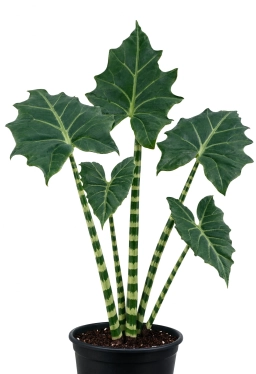
 ⚠ Minor
Alocasia seasonal dormancy is a natural cycle, not a disease — the plant retreats to its corm and resumes growth in spring. Correct identification prevents unnecessary repotting or treatment that could damage the resting corm.
Alocasia Seasonal Leaf Drop — Normal Dormancy vs. Root Stress
Commonly affects: Alocasia spp., Alocasia amazonica, Alocasia macrorrhiza, Alocasia zebrina
Alocasia leaves yellow one by one and detach, leaving bare stems or corms. This follows two very different patterns: normal dormancy (a gradual, seasonal process in autumn/winter where the plant retreats to its corm) or pathological leaf drop from root damage (which can occur at any time of year and is accompanied by mushy corm tissue or pest infestation). Distinguishing between these two is critical — treating normal dormancy as a disease causes unnecessary intervention and sometimes kills the plant.
The short answer
An alocasia losing leaves one at a time in autumn or winter, while the base of the plant stays firm, is going dormant — not dying. This is normal and expected for the genus. Reduce watering sharply, stop feeding, and leave it alone. It can drop every leaf and still return in spring, provided the corm underground stays firm.
Confirm it before you treat it
- 1Squeeze the base of the plant at soil level. Firm means dormancy. Soft or squashy means rot, which is an entirely different situation.
- 2Note the season. Leaf loss from autumn through winter is dormancy; the same pattern in spring or early summer is a problem.
- 3Watch the order. Dormancy takes the oldest leaf first, one at a time, over weeks. Rot takes several leaves at once, including new ones.
- 4Look at how the leaf goes. Dormant leaves yellow evenly and dry off gradually. Rot produces soft, dark, water-soaked collapse at the stem base.
- 5Dig gently and feel the corm. A firm corm means the plant is intact regardless of how bare it looks above ground.
Potential Causes
- 1Seasonal dormancy response to shorter days and cooler temperatures — Alocasia naturally drops all leaves and retreats to the corm, resuming growth in spring
- 2Root rot from overwatering, particularly during the transition into lower-light winter conditions
- 3Root mealybug or nematode infestation damaging the root system and triggering stress-induced leaf drop
- 4Repotting at the wrong time, during peak dormancy or in very hot summer conditions, stressing the root system
Solution Steps
- 1Determine whether the drop is seasonal: if it occurs from October–February (northern hemisphere), in plants otherwise recently healthy, it is likely dormancy.
- 2For suspected dormancy: stop watering almost entirely (once every 3 weeks maximum), move to a slightly cooler location (15–18°C), and wait. The corm will resume growth in spring.
- 3For suspected root stress (drop occurring outside winter, or fast and complete): unpot carefully and inspect the corm. A healthy dormant corm is firm and beige. A rotted corm is soft, discoloured, and smells sour.
- 4If the corm is healthy: pot up in fresh, fast-draining mix and wait for spring regrowth. If partially rotted: treat as described in the Alocasia Corm Rot guide.
- 5Check corm and roots for mealybug eggs (white cottony masses) or nematode galls while unpotted. Treat before repotting if found.
- 6Never discard a dormant Alocasia corm that appears dead — the corm can survive dormancy even when completely bare and dry for several months.
What else looks like this
| Could be | How to tell it apart |
|---|---|
| Corm rot | Soft mushy base, a sour smell, and stems that pull away easily at soil level. Dormancy leaves everything firm. |
| Overwatering | Yellowing across several leaves at once, including new ones, in permanently wet soil. Dormancy proceeds one old leaf at a time. |
| Spider mites | Stippling and webbing before the leaf drops. Alocasia is very prone to mites, so always check the undersides before concluding dormancy. |
| Underwatering | Crisp dry leaf edges with the whole plant drooping and bone-dry mix, at any time of year. |
| Shock after repotting or a move | Several leaves dropping within a week or two of a change in conditions, then stabilising. |
Recovery timeline
- AutumnGrowth slows and older leaves begin to yellow. Cut watering back substantially and stop feeding entirely.
- WinterLeaves continue to drop. The plant may go completely bare. Water only enough to stop the corm shrivelling — roughly monthly.
- Late winterNothing visible. This is the stage where most alocasias are thrown away by owners who assume they are dead.
- SpringA new shoot emerges from the corm. Resume normal watering only once it appears, not before.
- Late springGrowth accelerates and feeding can restart. The plant often returns stronger than it went in.
If you do nothing
There is nothing to treat — this is the plant's normal annual cycle. The real risk runs the other way: an owner who reads dormancy as decline waters more to help, and a dormant corm sitting in wet soil rots. That is by far the most common way alocasias are lost, and it is caused by intervention rather than neglect. A plant left dry and undisturbed through winter almost always returns.
Common mistakes
- Watering more because leaves are dropping. A dormant plant has almost no water demand, and this is the single most common way alocasias are killed.
- Throwing the plant away when it goes bare. The corm is alive underground and will reshoot in spring.
- Feeding through winter. A dormant plant cannot use it and the salts simply build up around the corm.
- Repotting during dormancy. Disturbing a resting corm invites rot; wait until growth restarts in spring.
- Moving it somewhere warmer and brighter to revive it. Dormancy is seasonal and not a light problem; the plant needs to be left alone.
Prevention Tip
Mark the approximate start of Alocasia dormancy in your calendar each year. When the first leaves begin to yellow in autumn, immediately reduce watering to prevent the transition to dormancy being complicated by root rot from excess moisture.
Questions people actually ask
- Is my alocasia dead if it has no leaves?
- Almost certainly not. Feel the corm — if it is firm, the plant is alive and dormant. Keep it barely moist and wait for spring.
- How much should I water during dormancy?
- Very little. Roughly once a month, just enough to stop the corm shrivelling. Wet soil around a dormant corm causes rot.
- Can I prevent dormancy?
- Consistent warmth and good light through winter reduces it, but many alocasias rest regardless. Fighting it is riskier than accepting it.
- When will it come back?
- Usually early to mid-spring as light and temperature rise. Resume normal watering only once you can see a new shoot.
- Should I cut off the dying leaves?
- Wait until a leaf is fully yellow or brown. While it retains green, the plant is still withdrawing resources from it into the corm.
Related Issues to Explore

Winter Dormancy Stall — Alocasia's Seasonal Growth Pause
Dormancy-related leaf drop is the expected outcome of the winter growth stall — understanding the cycle prevents misdiagnosis.
Read guide
Alocasia Corm Rot — Overwatering During Dormancy
If leaf drop is accompanied by soft, discoloured corm tissue, the problem is rot rather than normal dormancy — the treatment is very different.
Read guideMore Growth Issues Problems
See all →
Real Alocasia grow diaries
Growers on DailyGrowers log their plant week by week, one photo at a time. Here's how theirs are going.
 2 weeks
alocasia dragon scale
@yoyo
 1 week
Конь Регал
@nataligroy
 1 week
Alocasia Frydek
@alocasias4life
 1 week
Моя будущая дракониха
@nataligroy
 1 week
Alocasia Sarian Albo
@alocasias4life
 1 week
Блэк
@nataligroy
Growing Alocasia too? Start your own diary. It's free and takes 2 minutes.
Start my Alocasia diary →More rare plants and collector grows every day on Facebook: follow Exotics plants