 ⚠ Minor
Chloramine-induced tip burn in Calathea and Spathiphyllum persists despite overnight water standing because chloramine is a stable compound that does not off-gas — only ascorbic acid neutralisation, catalytic filtration, or reverse osmosis eliminates it.
Chloramine Water Toxicity — Tip Burn Resistant to Standard Fixes
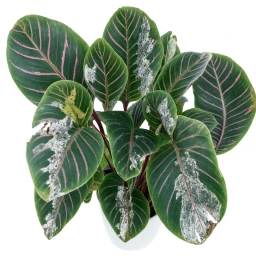
Commonly affects: Calathea spp., Spathiphyllum wallisii, Philodendron hederaceum, Anthurium andraeanum
Persistent brown leaf tips and margins that do not resolve after switching to filtered water or leaving water to stand overnight. Unlike chlorine toxicity (which off-gasses within 24 hours), chloramine is a stable compound that cannot be removed by simple standing or aeration. Most modern municipal water treatment now uses chloramine rather than free chlorine — plants sensitive to halide compounds continue to show tip burn even when the grower believes they have addressed the 'chlorine problem'.
Potential Causes
- 1Municipal water treated with chloramine (a combination of chlorine and ammonia) rather than free chlorine — now used in most urban water supplies worldwide
- 2Calathea, Spathiphyllum, and Anthurium have particularly sensitive root membranes that accumulate chloride and ammonia ions from repeated watering with chloraminated water
- 3Chloramine cannot be removed by standing water, boiling, or standard carbon filtration — it requires vitamin C (ascorbic acid) neutralisation or reverse osmosis filtration
- 4Accumulated chloride in the substrate from months of chloraminated water creating a toxic salt gradient
Solution Steps
- 1Confirm chloramine is present in your water supply by contacting your local water utility or testing with a pool test kit — chloramine registers differently than free chlorine on standard tests.
- 2Add a small amount of ascorbic acid (vitamin C) to your watering water — 1/8 teaspoon (approximately 400 mg) per 10 litres neutralises chloramine immediately on contact.
- 3Alternatively, use a pitcher or countertop filter with a catalytic carbon block specifically rated to remove chloramine — standard activated carbon is insufficient.
- 4Flush the substrate thoroughly with neutralised water (3–4 pot volumes) to leach accumulated chloride and ammonia salts from the root zone.
- 5For long-term management, collect rainwater or use a reverse osmosis system — both produce chloramine-free water ideal for sensitive tropical plants.
- 6Trim existing brown tips and monitor new growth under the corrected water regime — improvement should be visible within 4–8 weeks.
Prevention Tip
The simplest chloramine neutralisation method: use a sodium thiosulfate tablet (sold for aquariums as 'dechlorinator') in your watering can — one tablet per 20 litres removes both chlorine and chloramine instantly. Fish shops sell these cheaply.
Related Issues to Explore

Chlorine & Fluoride Toxicity — Mineral Sensitivity in Tropical Plants
Classic chlorine/fluoride toxicity guidance addresses free chlorine — chloramine requires a different removal method, as described here.
Read guideBrown, Crispy Leaf Tips — Low Humidity & Salt Stress
Tip burn from chloramine closely mimics humidity-induced tip burn — confirm the water source before investing in humidification equipment.
Read guideMore Leaf Problems Problems
See all →
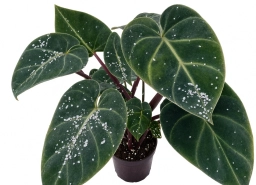
Real Philodendron grow diaries
Growers on DailyGrowers log their plant week by week, one photo at a time. Here's how theirs are going.
 1 week
Philodendron propagation
@thepepperguy
 1 week
my Philodendron ordatum growth🪴🪴🪴
@spongyboby
 1 week
Propagation of Philodendron florida beauty
@tahibonursery
Growing Philodendron too? Start your own diary. It's free and takes 2 minutes.
Start my Philodendron diary →More rare plants and collector grows every day on Facebook: follow Exotics plants