




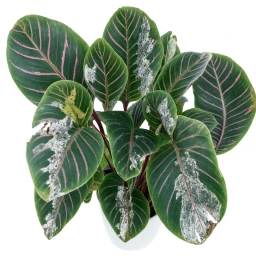
Calathea Care Guide
Calathea spp.
Calatheas (now reclassified as Goeppertia) are among the most visually striking houseplants, with intricate leaf patterns on the upper surface and deep purple undersides. They are also among the most demanding — highly sensitive to water quality (chlorine and fluoride cause tip burn), requiring consistently high humidity, and intolerant of temperature fluctuations. Their care requirements reward the dedicated plant parent.
Demanding — sensitive to water quality, humidity, and temperature fluctuations.
Care Requirements
💡 Light
Low to medium indirectCalatheas are one of the few houseplants that genuinely thrive in lower light conditions — originating from the rainforest floor. Avoid direct sun entirely, which bleaches the intricate leaf patterns. North- or east-facing windowsills are ideal.
💧 Watering
Every 5–7 daysUse rainwater, distilled water, or water that has been left standing overnight to dissipate chlorine. Tap water fluoride causes brown tips permanently. Keep the substrate evenly moist but not waterlogged. Calathea is sensitive to both over- and underwatering.
💦 Humidity
60–80%High humidity is non-negotiable for Calathea. Brown crispy leaf edges are caused by low humidity and cannot be reversed. A room humidifier is essential in most indoor environments. Group plants together to create a more humid microclimate.
🌡️ Temperature
18–27°CAvoid temperatures below 15°C and sharp fluctuations. Cold windows, air conditioning, and draughts cause wilting, leaf curl, and browning. Consistent warmth is more important than peak temperature.
🌱 Substrate
Moisture-retaining, well-drainingUse a mix of potting soil, perlite (10%), and a small amount of coco coir to retain some moisture without waterlogging. Calathea dislikes drying out completely between waterings.
⚗️ Fertiliser
Every 4 weeks (spring–summer)Feed with a balanced liquid fertiliser at quarter to half strength monthly during the growing season. Calathea is sensitive to salt buildup from over-fertilisation — flush the substrate with plain water every 2 months.
Seasonal Care
Calatheas show the most pronounced growth from spring to summer. Their distinctive nyctinastic movement (leaves fold up at night, open in the morning) is most noticeable in healthy specimens. In winter, growth slows significantly — reduce watering frequency and cease fertilising. Moving them away from cold windows is critical in winter.
Repotting
Repot every 2 years in spring when root-bound. Calathea dislikes root disturbance — handle gently and avoid breaking up the root ball excessively. Move up only one pot size. Self-watering pots can help maintain consistent moisture levels.
Propagation
Divide at repotting — separate the plant into sections, each with healthy roots and at least 2–3 leaves. Keep divisions in high humidity (70%+) for 2–4 weeks to reduce transplant stress. Do not propagate from leaf cuttings alone.
Calathea FAQs
Why do my Calathea leaves have brown tips?
Brown leaf tips in Calathea are almost always caused by fluoride in tap water, low humidity, or both. Switch to rainwater or distilled water immediately. Increase humidity to 60%+ using a humidifier. Brown tips cannot be reversed but new growth will be healthy in improved conditions.
Why are my Calathea leaves curling?
Calathea leaf curl indicates underwatering, low humidity, or excessive heat from direct sun or heating vents. Check the substrate moisture first. If adequately watered, the cause is likely low humidity or heat stress.
Is Calathea hard to care for?
Yes — Calathea is considered one of the more demanding houseplants due to its sensitivity to tap water, need for consistent high humidity, and intolerance of temperature fluctuations. Using filtered water, a humidifier, and a consistent location away from draughts significantly improves success rates.
Something wrong with your Calathea?
Browse our full diagnosis guide — identification, treatment, and prevention for every common Calathea problem.
Calathea Problem Guide →Common Calathea Pests
Spider Mite
Microscopic arachnids that cause bronze stippling and fine webbing, thriving in hot, dry indoor conditions.
View guide →
Thrips
Slender, 1–2 mm insects that rasp leaf surfaces causing silvery scarring and deformed new growth.
View guide →
Mealybug
White waxy-coated soft scale insects forming cottony colonies at leaf axils, stems, and roots.
View guide →
Fungus Gnat
Small black flies whose larvae feed on roots in moist organic substrate, causing wilting and yellowing.
View guide →
Compare Calathea
More Care Guides
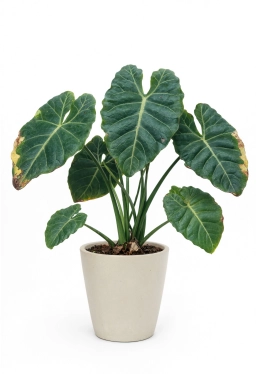
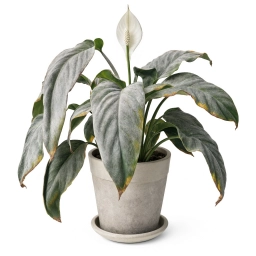
.webp)
.webp)
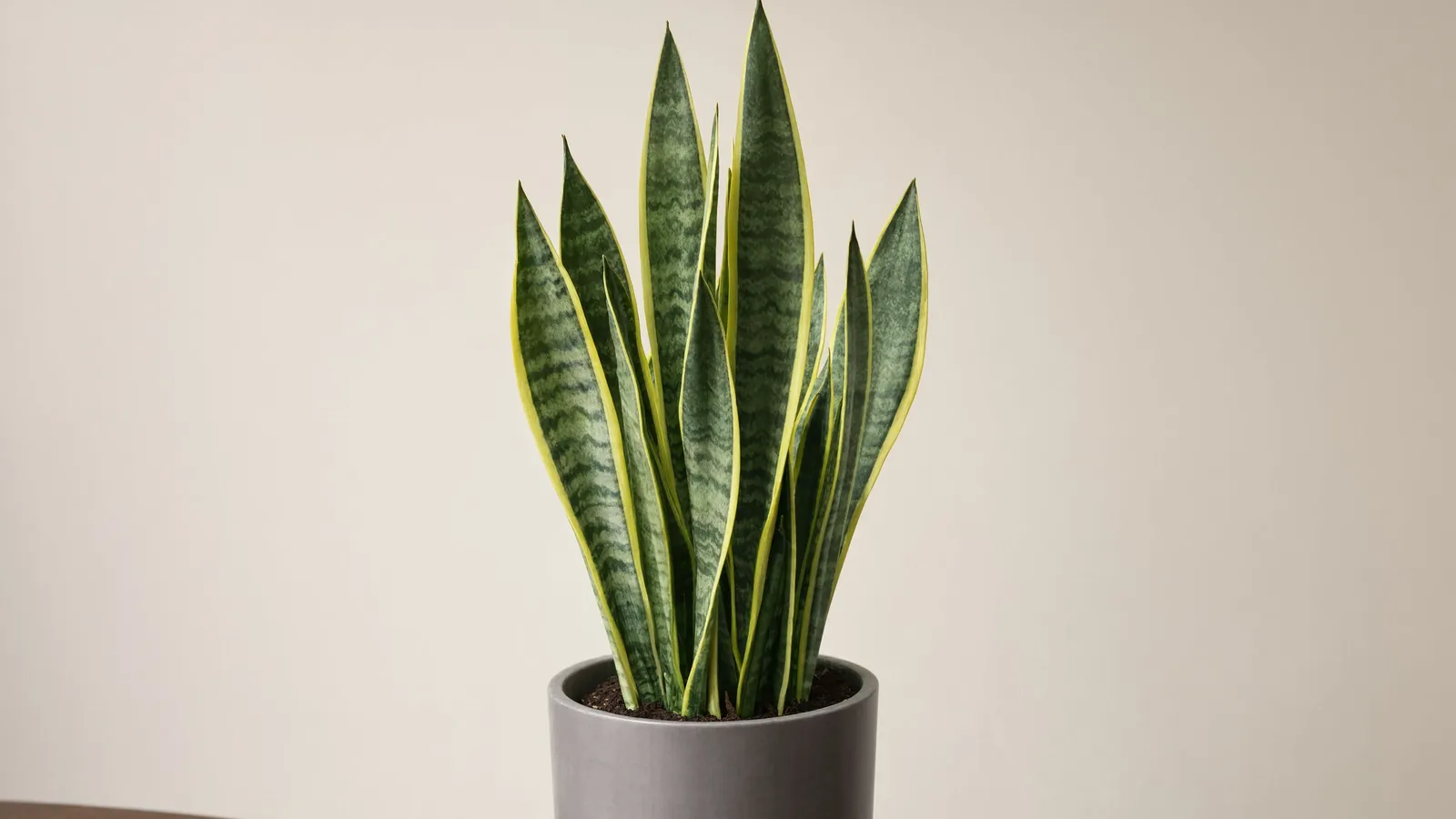
🌿
Have a Calathea? Track its progress.
Weekly diary entries, photos, measurements — and a community of growers to learn from.