




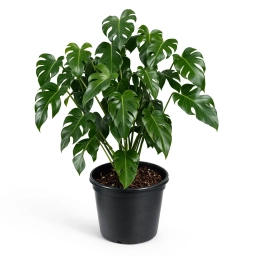
Monstera Care Guide
Monstera deliciosa
Monstera deliciosa is one of the most adaptable houseplants available. It thrives in bright indirect light, tolerates moderate neglect, and rewards attentive care with dramatic split leaves. The key to keeping Monstera healthy is good drainage, adequate indirect light, and allowing the substrate to partially dry between waterings.
Forgiving of occasional neglect; tolerates low light and irregular watering.
Care Requirements
💡 Light
Bright indirectBest in bright, indirect light 1–2 m from a south- or west-facing window. Tolerates medium light but growth slows and fenestrations (splits) are less pronounced. Avoid prolonged direct sun — leaves scorch easily.
💧 Watering
Every 7–10 daysWater when the top 3–5 cm of substrate feels dry. Reduce to every 14–21 days in winter. Always water until drainage runs freely from the pot, then empty the saucer. Overwatering is the most common cause of decline.
💦 Humidity
40–70%Tolerates average household humidity (40–50%) but benefits from higher humidity. Misting is largely ineffective — a humidifier or pebble tray is more reliable. Brown leaf edges often indicate low humidity.
🌡️ Temperature
18–30°CPrefers 18–27°C and should not be exposed to temperatures below 10°C. Keep away from cold draughts, air conditioning vents, and exterior doors in winter.
🌱 Substrate
Well-draining mixUse a chunky mix of potting soil, perlite (20–30%), and orchid bark. Good aeration prevents root rot. A slightly acidic pH of 5.5–7.0 is ideal.
⚗️ Fertiliser
Monthly (spring–autumn)Apply a balanced liquid fertiliser (NPK 3-1-2 or similar) monthly during the growing season (March–September). Reduce to every 6–8 weeks in autumn, stop in winter. Do not fertilise a stressed or recently repotted plant.
Seasonal Care
Growth is most vigorous from spring through summer. New leaves emerge from the central growing tip — each unfurls over 5–7 days. In winter, growth slows dramatically; reduce watering and stop fertilising. Monstera can be moved outdoors to a sheltered, shaded spot in summer — this dramatically accelerates growth.
Repotting
Repot every 2–3 years in spring when roots circle the pot or emerge from drainage holes. Move up one pot size (5 cm larger diameter). Monstera develops thick aerial roots — these can be directed into the substrate or allowed to hang freely. A moss pole encourages larger leaf development.
Propagation
Propagate by stem cuttings — take a cutting with at least one node and one leaf, allow the cut end to callous for 1 hour, then place in water or moist sphagnum moss. Roots develop in 4–8 weeks. Leaf-only cuttings will not develop into a new plant — a node is essential.
Monstera FAQs
Why are my Monstera leaves not splitting?
Fenestrations (leaf splits) develop as the plant matures, typically appearing in leaves produced after the plant is 2–3 years old. Low light is the most common cause of un-split leaves in mature plants — move to a brighter location 1–2 m from a window.
How often should I water my Monstera?
Water when the top 3–5 cm of substrate feels dry — typically every 7–10 days in the growing season and every 14–21 days in winter. Always check the substrate rather than following a fixed schedule.
Why are my Monstera leaves turning yellow?
Yellow leaves most often indicate overwatering. Check that the pot has drainage holes and the substrate has partially dried before rewatering. Less commonly, yellowing can result from nutrient deficiency or insufficient light.
Does Monstera need a moss pole?
A moss pole is not essential but significantly benefits mature plants. Monstera is a natural climber — a pole allows it to produce larger leaves with more pronounced splits and encourages aerial root development.
Something wrong with your Monstera?
Browse our full diagnosis guide — identification, treatment, and prevention for every common Monstera problem.
Monstera Problem Guide →Common Monstera Pests
Spider Mite
Microscopic arachnids that cause bronze stippling and fine webbing, thriving in hot, dry indoor conditions.
View guide →
Mealybug
White waxy-coated soft scale insects forming cottony colonies at leaf axils, stems, and roots.
View guide →
Scale Insect
Armoured or soft-shelled insects that attach to stems and leaves, extracting sap under protective waxy covers.
View guide →
Thrips
Slender, 1–2 mm insects that rasp leaf surfaces causing silvery scarring and deformed new growth.
View guide →
Compare Monstera
More Care Guides
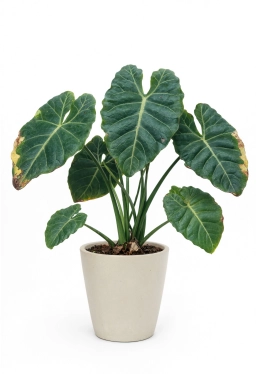
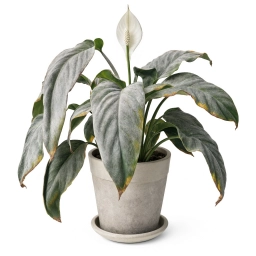
.webp)
.webp)
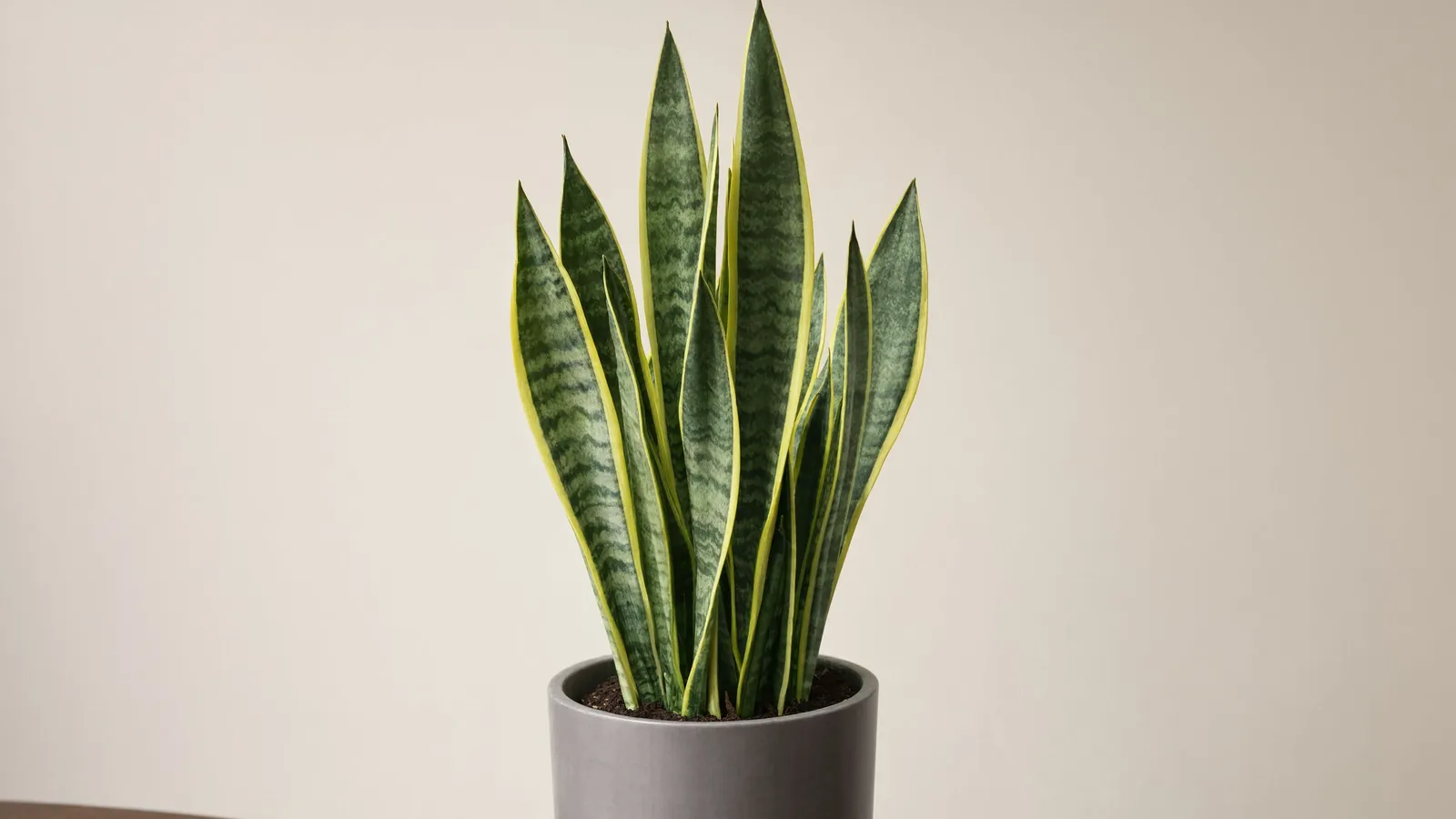
Real Monstera grow diaries
Growers on DailyGrowers log their plant week by week, one photo at a time. Here's how theirs are going.
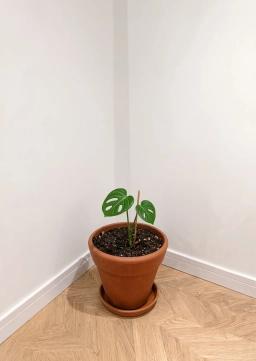
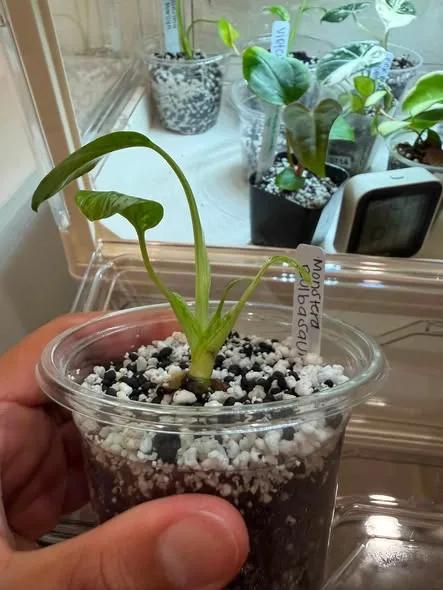
Growing Monstera too? Start your own diary. It's free and takes 2 minutes.
Start my Monstera diary →🌿
Have a Monstera? Track its progress.
Weekly diary entries, photos, measurements — and a community of growers to learn from.