 ⚠ Moderate
Inward leaf curling is a water-conservation response to excessive heat, reducing exposed surface area when transpiration outpaces uptake — worst near heat sources and hot glass.
Heat Stress & Leaf Curling
Commonly affects: Monstera deliciosa, Philodendron spp., Alocasia spp., Anthurium andraeanum
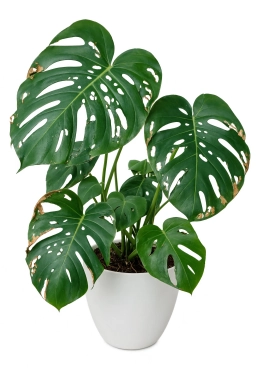
Leaves curl inward or downward, droop, and may develop dry, crisping margins during periods of excessive heat. The curling is a water-conservation response, reducing the exposed surface area as transpiration outpaces root uptake. Plants near heat sources or in hot, sunlit spots wilt despite moist soil and recover their posture as temperatures fall.
Potential Causes
- 1Ambient temperatures consistently above the plant's comfort range (often >30°C indoors)
- 2Proximity to radiators, heating vents, or hot, sun-baked windows
- 3Low humidity compounding water loss during hot spells
- 4Grow lights positioned too close, radiating excess heat onto the canopy
Solution Steps
- 1Move the plant away from direct heat sources and hot windows to a cooler, stable location.
- 2Increase humidity around the plant to reduce transpirational stress during heat.
- 3Ensure the substrate is adequately moist — heat-stressed plants dry out faster — but avoid waterlogging.
- 4Improve air circulation with gentle airflow to help the plant regulate leaf temperature.
- 5Raise grow lights to reduce radiant heat if they are positioned close to the canopy.
- 6Provide light shade during the hottest part of the day if the plant sits in intense sun.
Prevention Tip
Most tropical aroids prefer 18–27°C; sustained heat above this triggers protective curling and stress. Keep plants away from radiators and hot glass, and pair warm conditions with adequate humidity and airflow to keep transpiration in balance.
Related Issues to Explore

Cold Draught & Chilling Injury
The opposite temperature extreme — heat curls and crisps leaves, while cold produces sudden water-soaked, blackening patches.
Read guide
Brown, Crispy Leaf Tips — Low Humidity & Salt Stress
Heat and low humidity often combine — both accelerate transpirational water loss and produce crisping leaf margins.
Read guide
Underwatering & Chronic Drought Stress
Heat-induced curling mimics drought wilt — check substrate moisture to distinguish a hot plant from a genuinely dry one.
Read guideMore Leaf Problems Problems
See all →
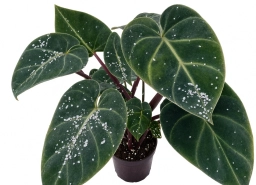
Real Monstera grow diaries
Growers on DailyGrowers log their plant week by week, one photo at a time. Here's how theirs are going.
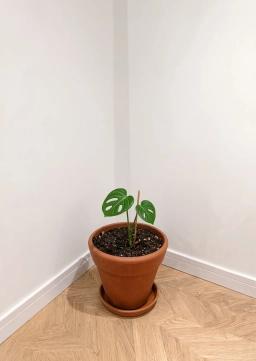
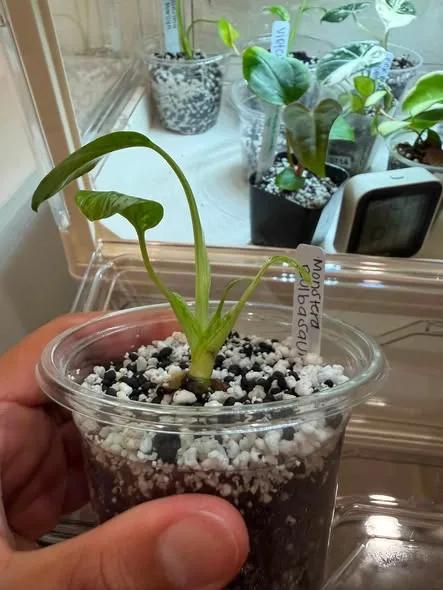
Growing Monstera too? Start your own diary. It's free and takes 2 minutes.
Start my Monstera diary →