 ⚠ Minor
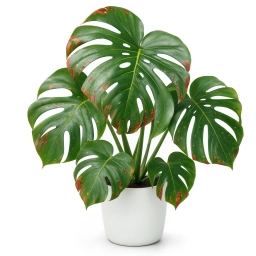
Oedema forms when cells absorb water faster than the leaf can transpire it and rupture, hardening into raised corky spots — a harmless water-balance disorder of cool, dim, damp spells.
Oedema — Corky Blisters from Water Imbalance
Commonly affects: Philodendron spp., Syngonium podophyllum, Monstera deliciosa, succulent-leaved aroids
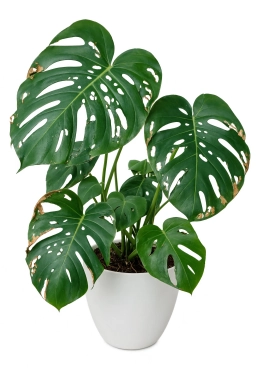
Small water-soaked bumps or blisters form on the undersides of leaves and along petioles, later hardening into raised, tan, corky, wart-like spots. The damage is caused by cells absorbing water faster than the leaf can transpire it, rupturing under the internal pressure. It is a physiological disorder, not contagious, and tends to appear during cool, damp, low-light spells.
Potential Causes
- 1Roots taking up water faster than leaves can release it, especially in low light and high humidity
- 2Overwatering combined with cool temperatures and reduced transpiration
- 3Sudden swings from dry to very wet substrate creating a water surge
- 4Poor air circulation suppressing the leaf's ability to transpire excess water
Solution Steps
- 1Reduce watering and allow the substrate to dry further between sessions to ease the water surplus.
- 2Improve light levels, which raises transpiration and rebalances the plant's water budget.
- 3Increase air circulation to help leaves release moisture more readily.
- 4Avoid watering during cool, dim, humid spells when transpiration is naturally low.
- 5Do not remove affected leaves unless heavily disfigured — the corky spots are permanent but harmless.
- 6Water more evenly to avoid the dry-to-soaked swings that trigger the disorder.
Prevention Tip
Oedema is a water-balance disorder, not a disease — keep watering even, light adequate, and air moving so leaves can transpire as fast as roots absorb. It is most common in winter, when low light and cool, damp conditions slow transpiration.
Related Issues to Explore

Guttation — Sap Droplets on Leaf Margins
Both result from a temporary water surplus — guttation expels it as droplets, while oedema ruptures cells into corky blisters.
Read guide
Yellowing Leaves — Overwatering Stress
Oedema and overwatering share a too-wet substrate and low transpiration — easing watering and improving light addresses both.
Read guide
Etiolation — Leggy, Weak Growth from Insufficient Light
Low light underlies both — it stretches growth in etiolation and suppresses transpiration enough to trigger oedema.
Read guideMore Leaf Problems Problems
See all →
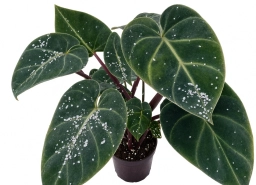
Real Monstera grow diaries
Growers on DailyGrowers log their plant week by week, one photo at a time. Here's how theirs are going.
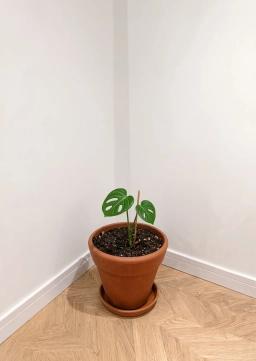
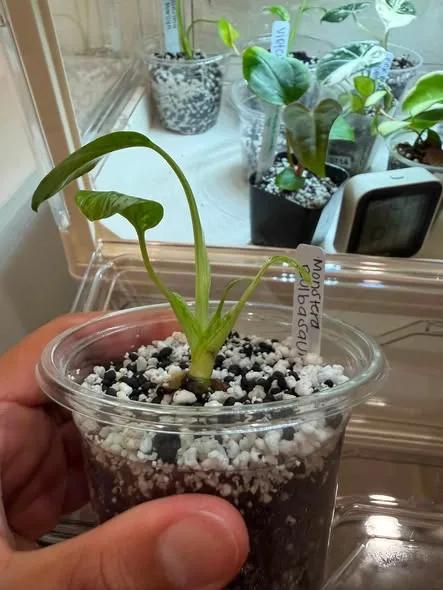
Growing Monstera too? Start your own diary. It's free and takes 2 minutes.
Start my Monstera diary →