 ⚠ Moderate
Repeated warm-to-cool swings near draughty windows or cycling heating cause older leaves to yellow and drop — stability matters more to aroids than a precise temperature.
Temperature Fluctuation Leaf Drop
Commonly affects: Aglaonema, Anthurium andraeanum, Philodendron spp., Alocasia, Syngonium
Leaves yellow and drop, often without obvious pests or disease, in response to repeated swings between warm and cool conditions. The problem is common near draughty windows, in rooms with large day-night temperature differences, or where heating cycles on and off sharply. Older leaves are usually shed first as the plant repeatedly adjusts to the instability.
Potential Causes
- 1Large day-to-night temperature differences stressing the plant repeatedly
- 2Proximity to draughty windows, doors, or heating and cooling vents
- 3Seasonal heating systems cycling on and off, swinging room temperature
- 4Frequent relocation of the plant between rooms with different climates
Solution Steps
- 1Identify and relocate the plant to the most thermally stable spot available, away from draughts and vents.
- 2Use a min/max thermometer at plant level to reveal the actual range it is experiencing.
- 3Avoid placing plants directly above radiators or in the path of air-conditioning.
- 4Buffer rapid changes by keeping the plant away from exterior glass, especially overnight.
- 5Remove only fully yellowed, dropped leaves; allow the plant to stabilise before judging recovery.
- 6Keep watering and feeding steady so temperature is the only variable being corrected.
Prevention Tip
Tropical aroids tolerate a comfortable range but dislike rapid swings — aim for stable temperatures rather than a perfect number. A consistent spot away from draughts and heat sources prevents the recurring stress that drives leaf drop.
Related Issues to Explore

Cold Draught & Chilling Injury
Related cold-stress problems — a single sharp cold exposure causes discrete injury, while repeated swings cause gradual leaf drop.
Read guide
Transplant & Acclimation Shock
Both produce environmentally driven leaf drop — acclimation is a one-off adjustment, while temperature swings are an ongoing stressor.
Read guide
Winter Growth Stall & Dormancy Stress
Both are seasonal — winter brings cooler, less stable temperatures alongside lower light, slowing growth and prompting some leaf loss.
Read guideMore Leaf Problems Problems
See all →
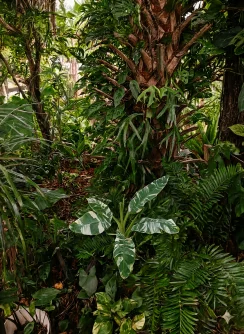
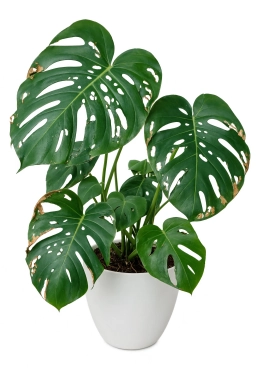
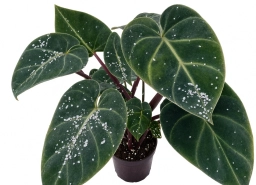
Real Philodendron grow diaries
Growers on DailyGrowers log their plant week by week, one photo at a time. Here's how theirs are going.
 1 week
Philodendron propagation
@thepepperguy
 1 week
my Philodendron ordatum growth🪴🪴🪴
@spongyboby
 1 week
Propagation of Philodendron florida beauty
@tahibonursery
Growing Philodendron too? Start your own diary. It's free and takes 2 minutes.
Start my Philodendron diary →More rare plants and collector grows every day on Facebook: follow Exotics plants