 ⚠ Minor
Calcium carbonate and magnesium carbonate salts from hard water accumulate with each misting session — the deposits are purely cosmetic initially but significantly reduce photosynthetic efficiency at high coverage, and may physically abrade the leaf cuticle when removed incorrectly.
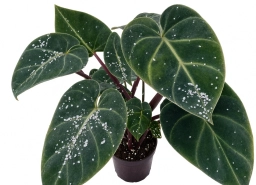
White Mineral Deposits on Leaves — Hard Water Calcium & Magnesium Residue
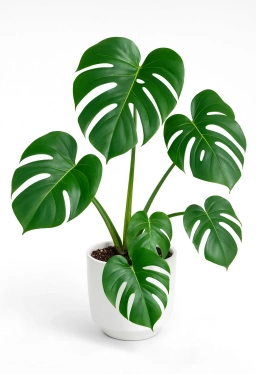
Commonly affects: Monstera deliciosa, Philodendron spp., Anthurium andraeanum, Calathea spp., Spathiphyllum wallisii
White, chalky, or powdery deposits appear on the upper surface of leaves, typically after misting, overhead watering, or in hard-water areas with high calcium and magnesium content. The deposits are not mould or a disease — they are mineral salts left behind when water droplets evaporate. While not directly harmful to leaf tissue, heavy mineral deposits reduce photosynthetic efficiency by blocking light penetration and can cause physical leaf damage when rubbed abrasively to remove them.
Potential Causes
- 1High total dissolved solids (TDS) in tap water — areas with hard water (TDS above 200 ppm) leave significant visible mineral residue when water evaporates
- 2Overhead misting with tap water leaving calcium carbonate deposits as each droplet evaporates
- 3Water-cooled air conditioning condensate or hard tap water dripping onto leaves
- 4Using a pressure sprayer that atomises water droplets which dry rapidly on warm leaf surfaces in direct or grow-light exposure
Solution Steps
- 1Mix a solution of 50% white vinegar and 50% distilled water and apply to a soft cloth — wipe deposits away gently in the direction of the leaf's natural texture (not in circles).
- 2Rinse with clean distilled or filtered water after the vinegar treatment to prevent acid residue from affecting the leaf surface.
- 3Switch all misting and overhead watering to filtered, distilled, or rainwater — hard water deposits are impossible to avoid while using tap water overhead.
- 4For large-leafed species (Monstera, Philodendron), switch to a damp microfibre cloth for leaf cleaning instead of misting — this removes dust without adding mineral residue.
- 5If deposits are very thick, a dilute citric acid solution (1 teaspoon per 500 ml) is effective and less corrosive than full-strength vinegar.
- 6Water sensitive Calathea and Spathiphyllum at soil level only — misting these species combines mineral deposition with chloramine toxicity risk.
Prevention Tip
A $30 countertop water filter with an ion-exchange cartridge reduces TDS from 250+ ppm to under 50 ppm — this eliminates mineral deposition from misting and watering simultaneously and is the most cost-effective long-term solution for growers in hard-water areas.
Related Issues to Explore

Chloramine Water Toxicity — Tip Burn Resistant to Standard Fixes
Hard water and chloramine are separate issues that both originate from tap water — filtering for mineral deposits also removes chloramine, making water filtration a dual-purpose solution.
Read guide
Salt Crust Buildup — Fertiliser Salt Accumulation
Mineral deposits on leaves and fertiliser salt crust on substrate surface are related problems — hard water contributes to both the leaf deposits and the substrate salt accumulation.
Read guideMore Leaf Problems Problems
See all →
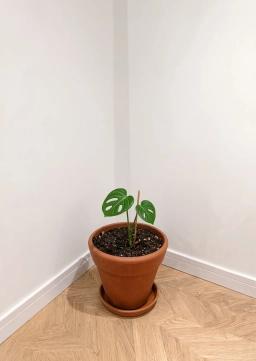
Real Monstera grow diaries
Growers on DailyGrowers log their plant week by week, one photo at a time. Here's how theirs are going.
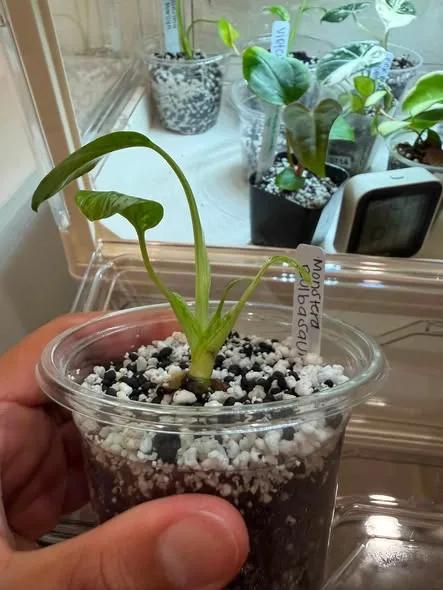
Growing Monstera too? Start your own diary. It's free and takes 2 minutes.
Start my Monstera diary →