

🌬️ Plant Guide
Best Air-Purifying Houseplants
NASA's 1989 Clean Air Study identified houseplants that filter indoor air toxins including formaldehyde, benzene, trichloroethylene, and xylene — common in furniture, cleaning products, and building materials. These seven plants consistently appear at the top of the research. Note: for meaningful air purification, you need roughly one medium plant per 10 m² of floor space.
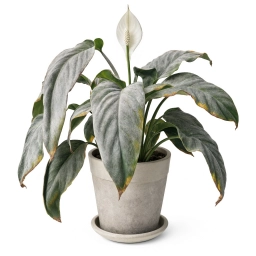
Peace Lily
Spathiphyllum wallisiiPeace Lily ranked #1 in NASA's study — it removes more toxins (formaldehyde, benzene, trichloroethylene, xylene, and ammonia) than almost any other plant tested.
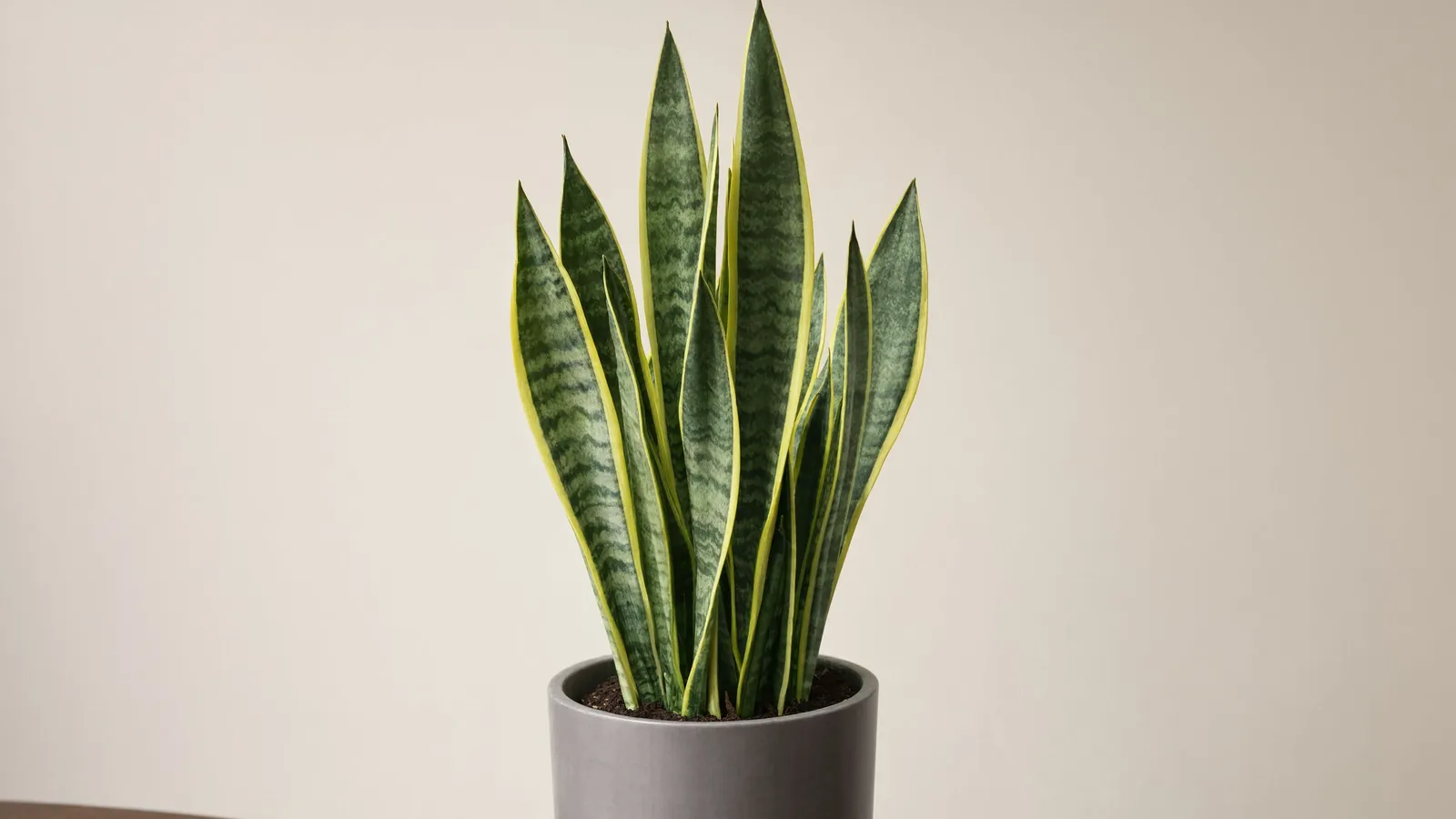
Snake Plant
Sansevieria trifasciataUnique among houseplants: Snake Plant converts CO₂ to oxygen at night (most plants do this only during daylight). Excellent for bedrooms.
.webp)
Pothos
Epipremnum aureumHighly effective at removing formaldehyde — common in carpets, furniture, and building materials. Fast-growing means more leaf surface area for absorption.
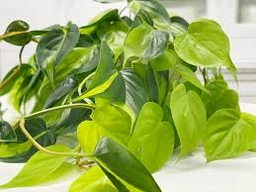
Philodendron
Philodendron spp.Heartleaf Philodendron is particularly effective against formaldehyde from wood products and insulation. The larger the leaves, the better it performs.
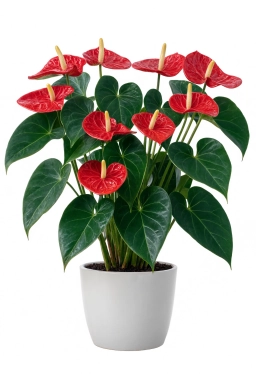
Anthurium
Anthurium andraeanumEffective against ammonia — found in cleaning products and fertilisers. The waxy leaves also trap airborne dust particles.
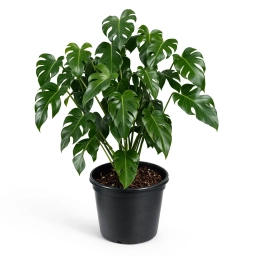
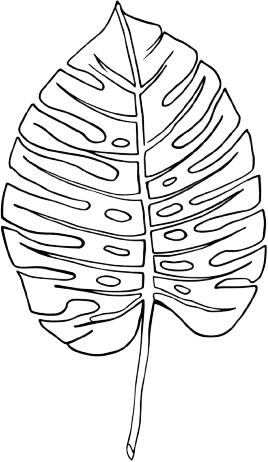
Monstera
Monstera deliciosaMonstera's large leaf surface area makes it an efficient air purifier. It removes formaldehyde and releases significant amounts of oxygen during the day.
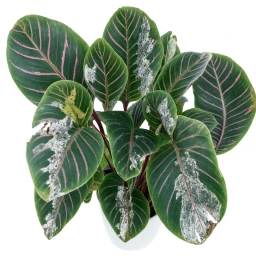
Calathea
Calathea spp.Calathea's large, patterned leaves are efficient at transpiration — releasing moisture and processing toxins. Particularly good for formaldehyde removal.
Bottom Line
For the best air-purifying effect, mix plant types — a Snake Plant for the bedroom (nighttime oxygen), a Peace Lily for the living room or bathroom (broadest toxin range), and fast-growing Pothos or Philodendron in rooms with new furniture or fresh paint. No single plant will transform your air quality, but a well-placed collection makes a measurable difference.