




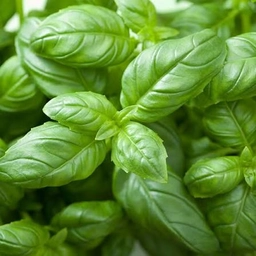
Basil Care Guide
Ocimum basilicum
Basil (Ocimum basilicum) is one of the most rewarding herbs to grow at home. It grows quickly from seed, produces abundantly with regular harvesting, and thrives on a sunny windowsill or under grow lights. The key to keeping basil productive is warmth (it hates cold), plenty of sun, consistent moisture, and regular pinching to prevent flowering. Once it flowers (bolts), the leaves become bitter — keep pinching the growing tips to extend the harvest for months.
Easy and fast-growing, but needs warmth and consistent harvesting to stay productive.
Care Requirements
💡 Light
6+ hours direct sunBasil needs at least 6 hours of direct sunlight daily. On a south-facing windowsill it will thrive; north-facing windows rarely provide enough. Under grow lights, use a full-spectrum LED for 14–16 hours per day. Insufficient light produces weak, spindly plants with small leaves.
💧 Watering
Every 1–2 daysKeep the soil consistently moist but never waterlogged. Basil wilts dramatically when thirsty and recovers quickly with water — but repeated wilting stresses the plant. Water at the base, not over the leaves, to prevent fungal issues. In small pots, daily watering may be needed in summer.
💦 Humidity
40–60%Tolerates average indoor humidity well. Avoid cold draughts — a cold draught will cause black spots on leaves within hours. Keep away from air conditioning vents and cold windows in winter.
🌡️ Temperature
18–30°CBasil is a warm-weather plant and is damaged by temperatures below 10°C. It is one of the most cold-sensitive herbs — a single cold night will cause leaf blackening. Keep indoors until temperatures are reliably above 15°C if growing outside. Ideal indoor temperature: 20–26°C.
🌱 Substrate
Light, well-draining potting mixUse a good-quality potting mix with added perlite for drainage. Basil does not like sitting in wet soil — ensure the pot has drainage holes. A slightly acidic pH of 6.0–7.0 is ideal. Avoid heavy garden soil in containers.
⚗️ Fertiliser
Every 2–4 weeksFeed with a balanced liquid fertiliser every 2–4 weeks during the growing season. Avoid high-nitrogen feeds — they promote lush leafy growth but can make leaves bitter. A diluted, balanced organic fertiliser works well.
Seasonal Care
Sow basil seeds indoors from March–May (in temperate climates) in warm conditions. Direct sow outdoors once temperatures are reliably above 15°C. Basil grows quickly — plants are ready to harvest in 4–6 weeks from seedling stage. It is an annual and dies with the first frost; in warm climates it can be grown year-round.
Repotting
Supermarket basil plants are sold in small clumps of multiple seedlings — split these into individual plants and repot in a larger pot for best results. Grow in at least a 15 cm pot; larger pots retain more moisture and produce bigger, longer-lived plants. Repot or refresh when roots fill the container.
Propagation
Grow from seed (sow 3–5 mm deep, germinate at 20–25°C in 5–7 days) or from cuttings. Take a 10 cm cutting just below a leaf node, strip the lower leaves, and place in a glass of water. Roots develop in 1–2 weeks. Water-rooted cuttings can be transplanted directly into soil and produce harvestable leaves within 3–4 weeks.
Basil FAQs
Why is my basil turning black?
Black spots or blackening on basil leaves are almost always caused by cold — either a cold draught, air conditioning, or temperatures below 10°C. Move to a warmer location away from draughts. Cold damage cannot be reversed on affected leaves, but new growth will be healthy if conditions improve.
How do I stop my basil from flowering (bolting)?
Pinch off any flower buds as soon as they appear. Once basil flowers, the plant puts energy into seed production and leaf flavour declines (leaves become bitter). Pinching the top 2–3 leaves regularly also keeps the plant bushy and productive. Regular harvesting delays bolting significantly.
How often should I harvest basil?
Harvest basil every 1–2 weeks by pinching off the top pair of leaves just above a leaf node. This encourages branching and keeps the plant compact. Never remove more than one-third of the plant at once. The more regularly you harvest, the bushier and more productive the plant becomes.
Can I grow basil indoors year-round?
Yes — basil can be grown indoors year-round with adequate light. A south-facing windowsill or a full-spectrum grow light (14–16 hours per day) provides enough light for healthy growth. Maintain warmth (above 18°C) and harvest regularly to keep plants productive.
Something wrong with your Basil?
Browse our full diagnosis guide — identification, treatment, and prevention for every common Basil problem.
Basil Problem Guide →Common Basil Pests
Aphid
Soft-bodied sap-sucking insects that colonise new growth rapidly, excreting honeydew that leads to sooty mould.
View guide →
Fungus Gnat
Small black flies whose larvae feed on roots in moist organic substrate, causing wilting and yellowing.
View guide →
Thrips
Slender, 1–2 mm insects that rasp leaf surfaces causing silvery scarring and deformed new growth.
View guide →
Whitefly
Tiny white-winged flies that cluster on leaf undersides, producing honeydew and transmitting plant viruses.
View guide →
Compare Basil
More Care Guides
.webp)
.webp)
🌱
Growing Basil? Track every week.
Log weekly updates, photos, and harvest notes — and see how your grow compares to others.