



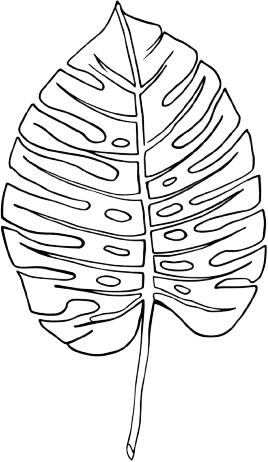
.webp)
Fiddle Leaf Fig Care Guide
Ficus lyrata
Fiddle Leaf Fig (Ficus lyrata) is celebrated for its large, architectural leaves but has a reputation as one of the most challenging houseplants. It is highly sensitive to changes in environment — moving the plant, a cold draught, or inconsistent watering triggers rapid leaf drop. Once a stable, well-lit position is found and a consistent watering routine established, Fiddle Leaf Fig is relatively low-maintenance.
Notoriously temperamental — hates being moved and is sensitive to draughts, temperature, and inconsistent watering.
Care Requirements
💡 Light
Bright indirect to some directNeeds the brightest possible indoor light — ideally within 1 m of a south- or west-facing window. 2–3 hours of morning direct sun is beneficial. Insufficient light causes slow growth, small leaves, and brown spots.
💧 Watering
Every 7–10 daysAllow the top 3–5 cm of substrate to dry between waterings. Use lukewarm water. Consistency is key — both overwatering (root rot) and underwatering (dry brown edges) cause leaf drop. Do not let the pot sit in standing water.
💦 Humidity
30–65%Tolerates average indoor humidity better than Calathea or Alocasia. Maintain 40%+ in winter when heating dries the air. Brown crispy leaf edges indicate humidity is too low.
🌡️ Temperature
16–27°CVery sensitive to cold and draughts. Keep away from exterior doors, air conditioning, and cold windows. Temperature drops below 10°C cause rapid leaf drop. Once placed, do not move the plant.
🌱 Substrate
Well-draining, rich mixUse a well-draining potting mix with 20–30% perlite. FLF is susceptible to root rot — drainage is critical. Terracotta pots help wick away excess moisture.
⚗️ Fertiliser
Monthly (spring–summer)Feed with a balanced or slightly nitrogen-heavy liquid fertiliser monthly during the growing season. Do not fertilise in autumn and winter. New leaf production is the primary sign of healthy feeding.
Seasonal Care
Fiddle Leaf Fig produces new leaves primarily in spring and summer. Each new leaf takes 2–4 weeks to unfurl. It is normal to lose 2–3 leaves per year from the lower stem — this is natural ageing, not a problem. Rotating the plant a quarter turn monthly ensures even light exposure on all sides.
Repotting
Repot every 2–3 years in spring. Fiddle Leaf Fig dislikes root disturbance — repot carefully and do not prune roots. Moving to a significantly larger pot increases root rot risk in the short term. Move up one pot size (5 cm) at most.
Propagation
Propagate by stem cuttings or single leaf-bud cuttings. Take a cutting with at least one leaf and one node, allow the cut end to dry for 1 hour, then root in moist potting mix or water under bright, indirect light. Fiddle Leaf Fig can be slow to root — allow 6–12 weeks.
Fiddle Leaf Fig FAQs
Why is my Fiddle Leaf Fig dropping leaves?
Leaf drop in FLF is almost always caused by a change in environment — being moved, a cold draught, or inconsistent watering. Place it in the brightest available spot and establish a consistent watering routine. Avoid moving it once settled.
Why does my Fiddle Leaf Fig have brown spots?
Brown spots in FLF have two main causes: dark brown spots starting at the leaf edges indicate underwatering or low humidity; tan or yellowish spots starting in the middle of leaves with no clear pattern indicate root rot from overwatering.
How do I make my Fiddle Leaf Fig grow faster?
Bright light is the single most important factor. Move as close to a bright window as possible. Feed monthly during the growing season with a nitrogen-rich fertiliser. Consistent warmth (20–25°C) and adequate humidity also promote faster growth.
Something wrong with your Fiddle Leaf Fig?
Browse our full diagnosis guide — identification, treatment, and prevention for every common Fiddle Leaf Fig problem.
Fiddle Leaf Fig Problem Guide →Common Fiddle Leaf Fig Pests
Spider Mite
Microscopic arachnids that cause bronze stippling and fine webbing, thriving in hot, dry indoor conditions.
View guide →
Scale Insect
Armoured or soft-shelled insects that attach to stems and leaves, extracting sap under protective waxy covers.
View guide →
Mealybug
White waxy-coated soft scale insects forming cottony colonies at leaf axils, stems, and roots.
View guide →
Aphid
Soft-bodied sap-sucking insects that colonise new growth rapidly, excreting honeydew that leads to sooty mould.
View guide →
More Care Guides
.webp)
🌿
Have a Fiddle Leaf Fig? Track its progress.
Weekly diary entries, photos, measurements — and a community of growers to learn from.