




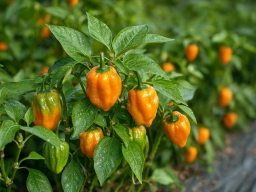
Chili Pepper Care Guide
Capsicum annuum
Chili peppers (Capsicum annuum and relatives) are one of the most satisfying plants to grow at home. From mild sweet peppers to superhot varieties like Carolina Reaper and Ghost Pepper, they all share the same basic requirements: long hours of strong light, warmth, and consistent feeding once fruiting begins. Chillies are perennial in warm climates and can be overwintered indoors, producing for several years. Starting seeds early (January–February) gives the longest growing season in temperate climates.
Patient growers are rewarded — chillies take time but produce abundant crops once established.
Care Requirements
💡 Light
8+ hours direct sun or grow lightChilli peppers need full sun — at least 8 hours daily. Indoors, a high-output full-spectrum LED grow light (600+ µmol/m²/s) run for 16–18 hours is ideal. Insufficient light produces leggy plants that rarely flower or set fruit. South-facing windowsills work but supplemental light dramatically improves yield.
💧 Watering
When top 2–3 cm is dryWater when the top layer of soil begins to dry — chillies prefer not to sit in wet substrate but should not dry out completely. Container plants need watering every 1–3 days in summer. Consistent moisture during fruit development prevents blossom end rot and fruit cracking.
💦 Humidity
40–60%Moderate humidity is ideal. High humidity (above 70%) can promote fungal disease — ensure good airflow between plants. Indoors, a fan on low provides gentle air circulation that also strengthens stems and aids pollination.
🌡️ Temperature
20–30°C (day), 15–20°C (night)Chillies love warmth. They grow best between 20–30°C and slow dramatically below 15°C. Germination requires 25–30°C — use a heat mat for reliable germination. Never expose to frost. Overwintered plants can survive in a cool, frost-free location (above 5°C) with reduced watering.
🌱 Substrate
Rich, well-draining potting mixUse a premium potting mix with added perlite (10–20%). Chillies are heavy feeders and benefit from a substrate with some slow-release fertiliser. Final containers: 10–20 litres for most varieties; large superhots (Bhut Jolokia, Carolina Reaper) do best in 20–30 litre pots.
⚗️ Fertiliser
Weekly during fruitingStart with balanced fertiliser (NPK 3-1-2) during vegetative growth. Switch to high-potassium tomato feed once flowers appear. Weekly feeding during the fruiting phase dramatically increases yield. Avoid overfeeding nitrogen — it promotes leaves at the expense of fruit.
Seasonal Care
In temperate climates, sow seeds in January–February for maximum growing season. Chillies need 3–5 months from transplant to first harvest. Overwintering: cut back to bare stems in autumn, reduce water to almost nothing, keep frost-free, and plants will re-sprout in spring and fruit much earlier than new seedlings.
Repotting
Start seeds in small 7–10 cm pots, pot on to 15 cm pots at 6–8 weeks, then to final containers before roots become severely pot-bound. Pot on in stages — skipping straight to a very large pot can cause overwatering issues. Most varieties fruit best in 10–20 litre containers.
Propagation
Grow from seed (sow 5–8 mm deep, germinate at 25–30°C in 7–21 days — superhots can take up to 4 weeks). Heat mats significantly improve germination rates for superhot varieties. Chillies can be propagated from cuttings but are usually grown from seed. Overwintered plants are effectively 'propagated' by pruning back and re-growing.
Chili Pepper FAQs
Why are my chilli pepper flowers dropping without setting fruit?
Flower drop in chillies is most commonly caused by temperature extremes (above 35°C or below 15°C at night), insufficient pollination indoors, or inconsistent watering. Shake the plant gently daily to self-pollinate, use a small fan for air movement, and ensure temperatures stay within the 20–30°C range.
How long do chilli peppers take to fruit?
From transplant to first ripe fruit, most chilli varieties take 3–5 months. Mild varieties (jalapeño, cayenne) tend to fruit earlier; superhots (Carolina Reaper, Ghost Pepper, 7-Pot) can take 5–7 months. Starting seeds in January–February gives the best results in temperate climates.
Can I overwinter my chilli pepper plant?
Yes — chillies are perennial plants that can be overwintered indoors. Before the first frost, cut the plant back to bare stems, reduce watering to almost nothing, and keep in a frost-free location (above 5°C). In spring, resume watering and the plant will re-sprout. Overwintered plants produce fruit much earlier than seedlings in their second year.
Why are my chilli leaves turning yellow?
Yellow leaves on chilli plants most commonly indicate overwatering (especially in cool conditions), nitrogen deficiency, or root problems. Check that the pot drains freely and the substrate is not staying wet. Feed with a balanced fertiliser if the plant hasn't been fed recently. Remove yellowed leaves to improve airflow.
Something wrong with your Chili Pepper?
Browse our full diagnosis guide — identification, treatment, and prevention for every common Chili Pepper problem.
Chili Pepper Problem Guide →Common Chili Pepper Pests
Aphid
Soft-bodied sap-sucking insects that colonise new growth rapidly, excreting honeydew that leads to sooty mould.
View guide →
Spider Mite
Microscopic arachnids that cause bronze stippling and fine webbing, thriving in hot, dry indoor conditions.
View guide →
Whitefly
Tiny white-winged flies that cluster on leaf undersides, producing honeydew and transmitting plant viruses.
View guide →
Thrips
Slender, 1–2 mm insects that rasp leaf surfaces causing silvery scarring and deformed new growth.
View guide →
Compare Chili Pepper
More Care Guides
.webp)
.webp)
Real Chili Pepper grow diaries
Growers on DailyGrowers log their plant week by week, one photo at a time. Here's how theirs are going.
 12 weeks
Purple death - Hot Chilli 🌶️
@thepepperguy
 8 weeks
habanero hot pepper
@johnmint
 3 weeks
habaero & jalapeno peppers
@chantmint
Growing Chili Pepper too? Start your own diary. It's free and takes 2 minutes.
Start my Chili Pepper diary →More peppers and real chili grows every day on Facebook: follow Chili Pepper Growers
🌱
Growing Chili Pepper? Track every week.
Log weekly updates, photos, and harvest notes — and see how your grow compares to others.