

Plant Clinic · Category
Light Issues
Too much light, too little light, sunburn, etiolation, and variegation fading.
Light is the energy source for all plant growth and the single most important environmental variable for houseplants. Both insufficient light and excessive direct sun cause visible symptoms. Etiolation (weak, stretching growth) is the classic response to too little light, while bleaching, crispy patches, and sudden leaf drop signal sunburn or excessive intensity.
All Light Issues
 ⚠ Minor
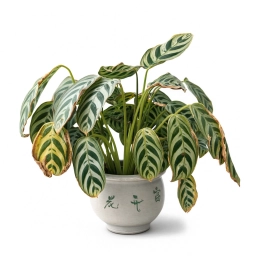
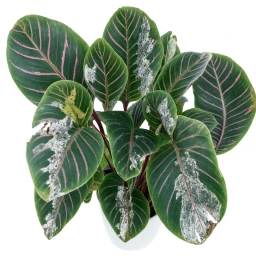
Calathea
Sun Scorch & Leaf Bleaching — Photooxidative Damage
Irregular pale, bleached, or white patches develop on leaf surfaces exposed to direct sun. Affected areas become papery and dry, often with a sharp boundary between bleached and healthy tissue corresponding to shadow edges. In severe cases, the bleached zones turn brown and necrotic. Damage appears suddenly after a change in position or season — the plant's existing leaves have no photoprotective pigments calibrated for higher light intensity.
 ⚠ Moderate
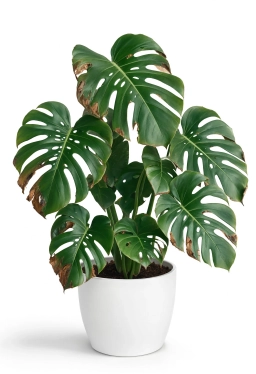
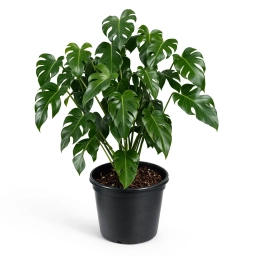
Monstera deliciosa
LED Grow Light Burn — Bleaching & Necrosis from Artificial Light
Leaves directly beneath or closest to the LED grow light develop bleached, pale, or white patches — often with brown necrotic zones in the most severely exposed areas. The damage pattern reflects the light distribution of the lamp: typically a central circular zone of maximum bleaching surrounded by a gradient of lesser damage. Unlike sun scorch, grow light burn can occur at any time of year regardless of season and is often gradual rather than sudden.
 ⚠ Minor
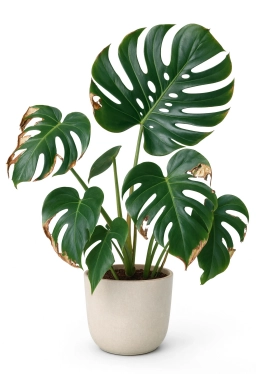
Epipremnum aureum — especially solid-green cultivars (Golden
Pothos Pale Washed-Out Leaves — Sun Bleaching from Direct Exposure
Leaves that were deep green or vividly coloured fade to a washed-out pale yellow-green, sometimes with bleached white patches where light was most intense. The affected leaves remain firm and turgid — unlike yellowing from overwatering, which produces soft, collapsing tissue. New leaves emerging after the plant is moved may be a different colour than older leaves. This is chlorophyll degradation from UV exposure: direct sun destroys the chlorophyll molecules in leaf cells faster than the plant can regenerate them.
 ⚠ Minor
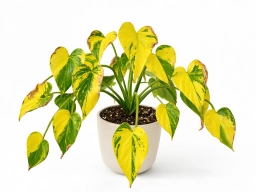
Ficus lyrata (Fiddle Leaf Fig)
Fiddle Leaf Fig Sunburn — Bleached Patches from Direct Sun Exposure
Large, pale tan or white patches appear on leaves that were previously healthy, in areas exposed to direct sunlight. The patches are dry and papery, with sharply defined edges corresponding to the shadow line of the window frame or a change in light angle. Surrounding leaf tissue remains green and healthy. Ficus lyrata is acclimatised to bright filtered light — direct sun, particularly through glass which magnifies UV intensity, rapidly destroys chlorophyll in cells that have not developed protective pigmentation.
 ⚠ Minor
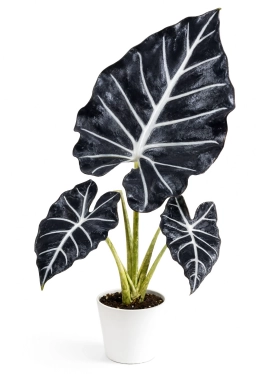
Sansevieria trifasciata / Dracaena trifasciata — especially variegated cultivars
Snake Plant Pale Washed-Out Leaves — Sun Bleaching & Chlorophyll Degradation
Leaf surfaces fade from deep green with vivid yellow or white banding (in variegated cultivars) to a washed-out, bleached appearance. In solid green cultivars, the characteristic dark green colour becomes yellowish. The leaves remain firm and structurally healthy. Snake plants are tolerant of bright light including some direct sun, but intense midday or afternoon direct sun through glass — which amplifies UV intensity — can degrade chlorophyll in unacclimatised plants faster than it can be regenerated.
 ⚠ Minor
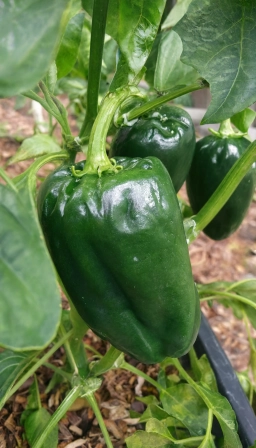
Capsicum annuum
Sunscald on Pepper Fruit
A pale, blistered, papery patch develops on the side of the fruit facing direct sun, usually after a sudden increase in sun exposure. The affected area may later turn white or tan and feel dry and thin compared to the rest of the fruit.
 ⚠ Minor
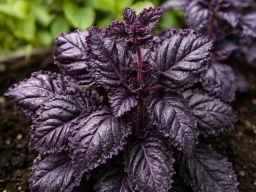
Ocimum basilicum (Basil)
Sunscald and Leaf Bleaching on Basil
Pale, bleached, or papery patches develop on leaves that were recently moved into much stronger direct sun than the plant was previously accustomed to, particularly after being hardened off too quickly.
 ⚠ Minor
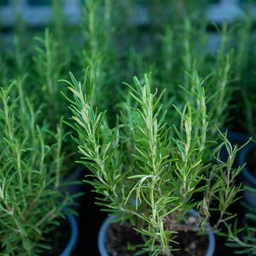
Salvia rosmarinus (Rosemary)
Rosemary Struggling Indoors With Slow, Weak Growth
The plant produces thin, weak, sparse growth when kept indoors, often stretching toward a window and looking noticeably less vigorous than rosemary grown outdoors in full sun.
 ⚠ Minor
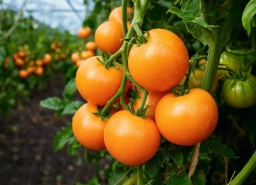
Solanum lycopersicum (Tomato)
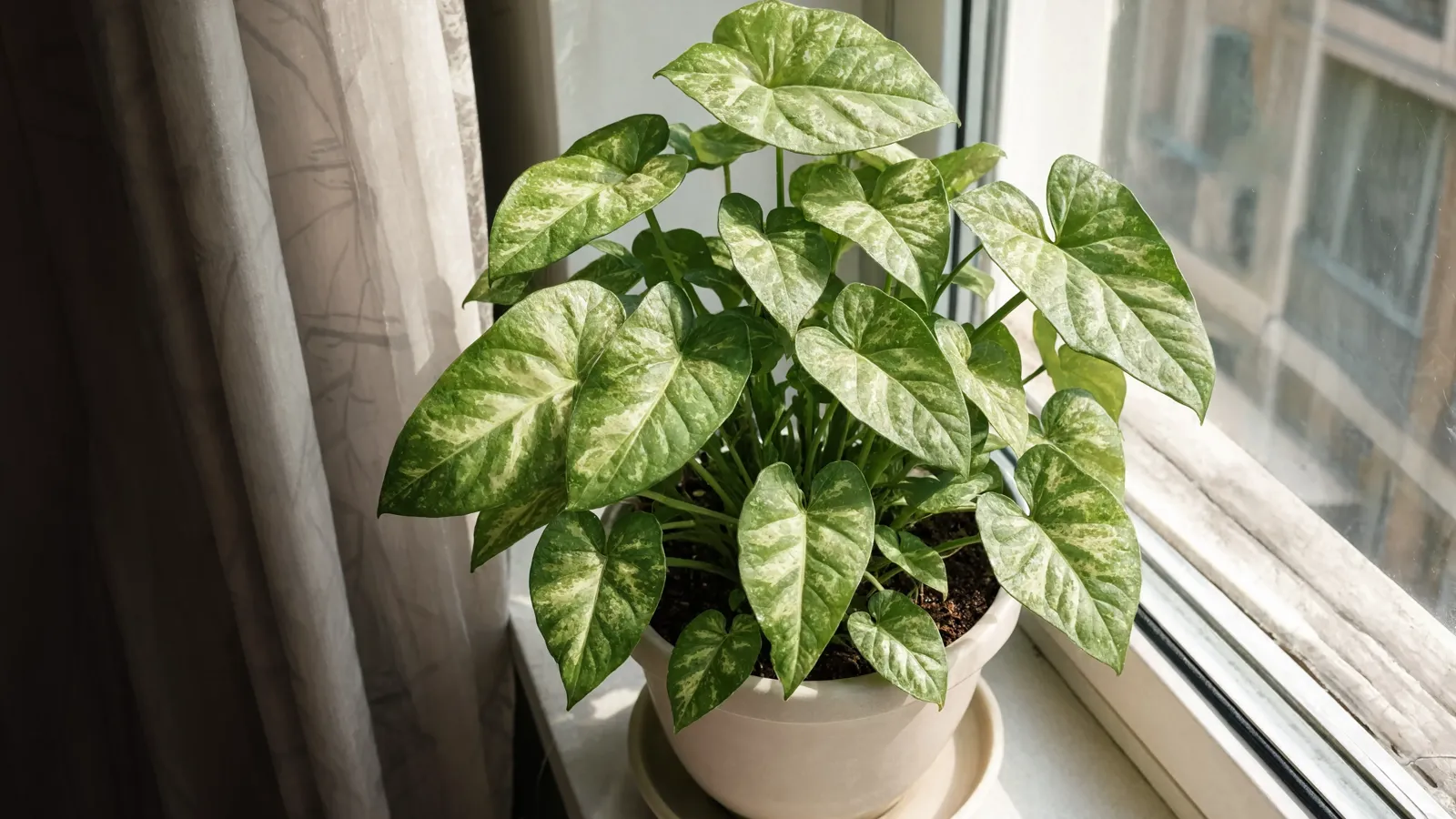
Sunscald on Tomato Fruit
A pale yellow to white blistered patch develops on the side of the fruit facing direct sun, often after sudden exposure following pruning or foliage loss. The patch can later dry into a papery, sunken scar.
 ⚠ Minor
Cucurbita pepo
Sunscald on Pumpkin Fruit
A pale, bleached, or leathery patch develops on the side of the fruit facing direct sun, especially after sudden loss of shading foliage from disease, pruning, or wind damage.
⚠ MinorPassiflora edulis (Passion Fruit)
Sunscald on Passion Fruit
A pale, bleached, or leathery patch develops on the sun-facing side of fruit, especially after sudden exposure from pruning or leaf loss.
⚠ MinorMusa acuminata
Sunburn on Banana Leaves
Pale, bleached, or crispy brown patches develop on leaves, especially after a plant is suddenly moved from shade into intense direct sun.
⚠ MinorActinidia deliciosa
Sunscald on Kiwi Fruit
A pale, hardened patch develops on the sun-facing side of the fruit, especially after sudden exposure from pruning or storm-damaged foliage.
⚠ MinorVitis vinifera
Sunburn on Grape Berries
Berries develop a bleached, brown, or leathery patch on the sun-facing side, especially after sudden leaf removal exposing previously shaded clusters.
⚠ MinorCucumis sativus (Cucumber)
Sunscald on Cucumber Fruit
A pale, bleached patch develops on the side of fruit facing direct sun, especially after sudden exposure from pruning or foliage loss.
⚠ MinorCarica papaya (Papaya)
Sunscald on Papaya Fruit
A pale, bleached, or leathery patch develops on the sun-facing side of fruit, especially after sudden exposure from leaf loss or pruning.
⚠ MinorPhalaenopsis spp. and other Orchidaceae (Orchid)
Sunburn on Orchid Leaves
A bleached, yellow-white, or brown patch develops on the leaf, usually on the side that received direct sun exposure, and doesn't recover once damaged.
⚠ ModerateCactaceae (Cactus)
Etiolation — Cactus Stretching Toward Light
The cactus grows thin, elongated, and pale, stretching noticeably toward a light source, with new growth clearly narrower than the older base.
⚠ MinorCactaceae (Cactus)
Sunburn on Cactus Skin
A pale, yellow-white, or bleached patch develops on the side of the cactus facing intense sun, especially after being moved suddenly from indoor to outdoor conditions.
⚠ ModerateVarious succulents (Crassulaceae
Etiolation — Succulents Stretching and Getting Leggy
The succulent grows tall, thin, and stretched with wide gaps between leaves, and the rosette (if applicable) loses its tight, compact form.
⚠ MinorVarious succulents (Crassulaceae
Sunburn on Succulent Leaves
A pale, bleached, or brown patch develops on the sun-facing side of leaves, especially after sudden exposure to more intense light than the plant is used to.
⚠ MinorVarious ferns (Polypodiopsida)
Sunburn and Scorch on Fern Fronds
Fronds develop a bleached, yellow-brown, or crispy patch, usually on the side facing direct sun exposure.
⚠ MinorVarious palms (Arecaceae)
Sunburn on Newly Outdoor Palms
Fronds develop bleached, yellow-white, or brown patches after a sudden move from indoor or shaded conditions to intense outdoor sun.
⚠ MinorColocasia esculenta (Taro / Elephant Ear)
Sunburn on Colocasia Leaves
A bleached, yellow-white, or brown patch develops on the leaf, usually on the side facing intense, direct midday sun, especially in varieties that prefer some shade.
⚠ ModerateAloe vera (Aloe Vera)
Leggy, Stretched Growth in Aloe Vera
The plant grows tall and thin with leaves spaced far apart rather than in a tight rosette, and leaves may appear pale and narrow.
⚠ MinorAloe vera (Aloe Vera)
Sunburn on Aloe Vera Leaves
A reddish-brown or bleached patch develops on leaves, especially after a sudden move from indoor or shaded conditions to intense outdoor sun.
⚠ MinorAloe vera (Aloe Vera)
Thin, Curling Leaves From Insufficient Light
Leaves become noticeably thinner and may curl or twist as they reach toward a light source, distinct from general legginess of the whole rosette.
⚠ MinorChlorophytum comosum (Spider Plant)
Pale Leaves or Fading Variegation on Spider Plant
Variegated cultivars lose their distinctive white or cream stripes, reverting to plain green, or leaves appear generally pale.
⚠ MinorCapsicum annuum
Sunscald on Bell Pepper Fruit
A pale, papery, or blistered patch develops on the sun-facing side of the fruit, sometimes leading to soft rot in that spot.
Plant-Specific Guides
.webp)
.webp)
Common Questions
What causes sun scorch & leaf bleaching — photooxidative damage?
Irregular pale, bleached, or white patches develop on leaf surfaces exposed to direct sun. Affected areas become papery and dry, often with a sharp boundary bet… Full guide →
What causes led grow light burn — bleaching & necrosis from artificial light?
Leaves directly beneath or closest to the LED grow light develop bleached, pale, or white patches — often with brown necrotic zones in the most severely exposed… Full guide →
What causes pothos pale washed-out leaves — sun bleaching from direct exposure?
Leaves that were deep green or vividly coloured fade to a washed-out pale yellow-green, sometimes with bleached white patches where light was most intense. The … Full guide →
What causes fiddle leaf fig sunburn — bleached patches from direct sun exposure?
Large, pale tan or white patches appear on leaves that were previously healthy, in areas exposed to direct sunlight. The patches are dry and papery, with sharpl… Full guide →